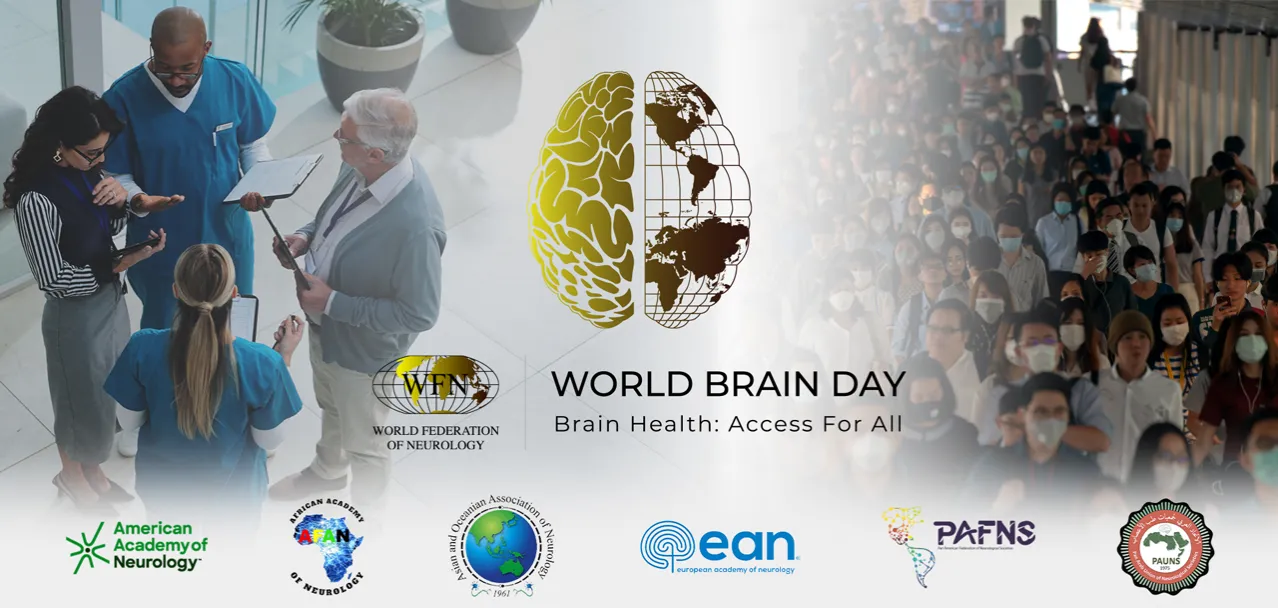
Brain Health: Access for All
World Brain Day | 22 July 2026
Science and medicine have made significant progress in understanding the brain, yet millions of people globally still cannot access essential care.
More than 3.4 billion people currently live with neurological conditions, making brain disorders the leading cause of disability worldwide. Access to neurological care remains uneven across countries, regions, and communities. Many people still face barriers including cost, lack of trained specialists, long waiting times, stigma, and limited access to services
World Brain Day 2026 is a global call to address these disparities and advocate for change.
DOWNLOAD WORLD BRAIN DAY MEDIA TOOLKIT RESOURCES
World Brain Day Webinar
World Brain Day 2026 focuses on one of the defining challenges of our time: making brain health accessible to everyone, everywhere
The message is simple but urgent: access delayed is potentially access denied.Professor Tissa Wijeratne, OAM, MD, PhD, Chair of World Brain Day 2026.
The World Federation of Neurology and its six regional organisations invite neurologists, healthcare professionals, researchers, patient organisations, policymakers, and communities worldwide to join this global campaign.
Enhance Your Brain Health Activities
Shared World Brain Day Messaging
Why Brain Health Matters
Brain health is more than a medical priority; it is a social and economic necessity. Healthy brains are essential for people to learn, work, care for their families, and participate in society.
Many neurological conditions can be prevented or better managed through:
- Earlier diagnosis and risk factor control.
- Healthier lifestyles.
- Improved access to local services.
Investing in brain health means investing in people. It helps individuals reach their potential and supports healthier, more resilient societies.Professor Steven Lewis, MD, President of the World Federation of Neurology
Our Core Pillars
The World Brain Day 2026 campaign is built on five key messages:
- Brain Health Is for Everyone – Equity in care.
- Earlier Access Changes Lives – Prioritizing early intervention.
- Prevention Starts in Everyday Life – Reducing risk factors.
- Bring Brain Care Closer to Home – Community-based support.
- Awareness Must Lead to Action – Measurable impact.
Areas for Action
We are focusing our global efforts on five strategic areas:
- Visibility: Making brain health a recognized global priority.
- Capability: Building healthcare capacity at the local level.
- Protection: Safeguarding brain health across all life stages.
- Equity: Closing the care and disability gap.
- Advocacy: Turning awareness into tangible policy change.
Access to brain health is a profound global issue. While the disparity with low-income countries remains staggering, with 227 times fewer neurologists per capita, even in high-income countries, cost, primary care and specialist shortages, and overburdened systems prevent billions from receiving essential care.
Evidence shows that addressing lifestyle and modifiable risk factors can optimise brain health, meaning prevention, public empowerment, and stronger local policy and resources can make a meaningful difference everywhere.Professor David Dodick, MD, Co-Chair of World Brain Day 2026.
World Brain Day 2025 - Global Activities
India
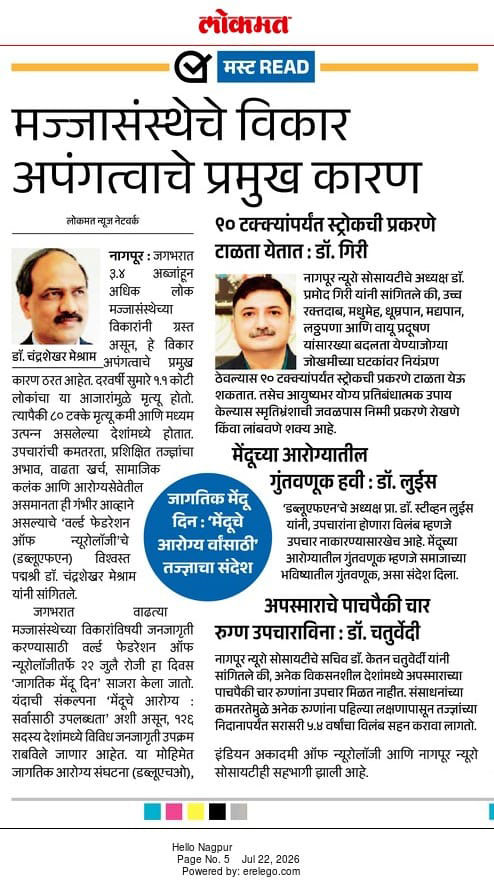
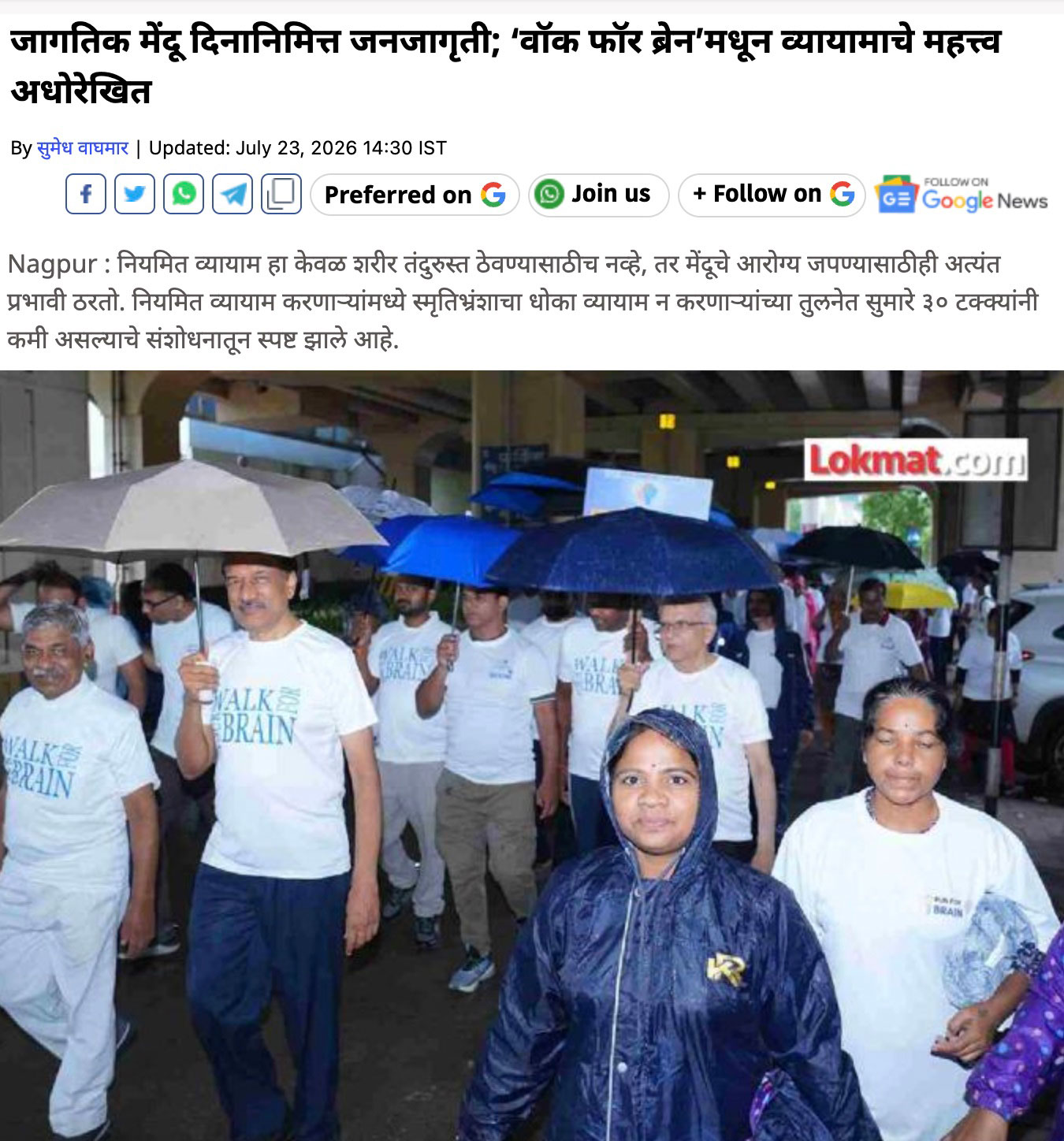
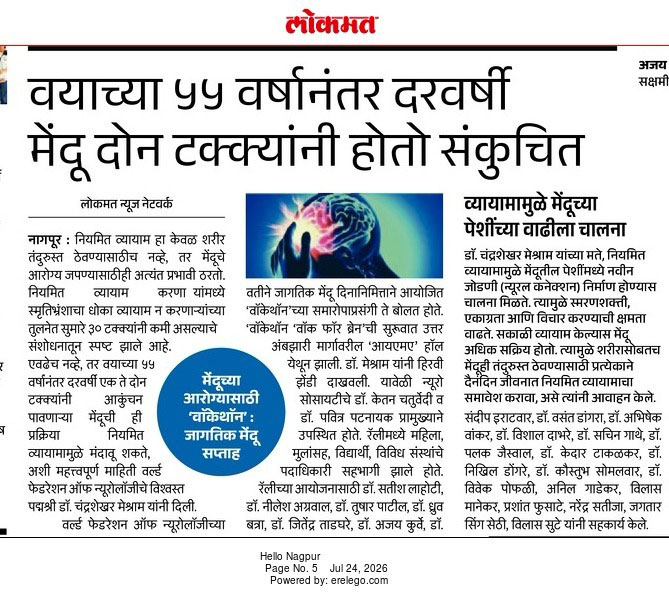
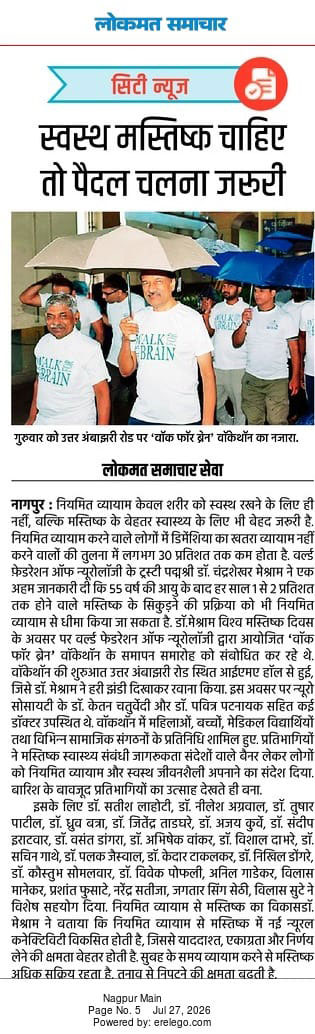
Under the leadership of President-Elect Dr. Sudhir Kothari, the Indian Academy of Neurology (IAN) promoted public awareness for World Brain Day 2026, centering on the theme "Brain Health: Access for All." IAN’s national efforts included a Movement Disorders subsection webinar on July 25, a dedicated social media drive, and compiled video messages from subsection leaders.
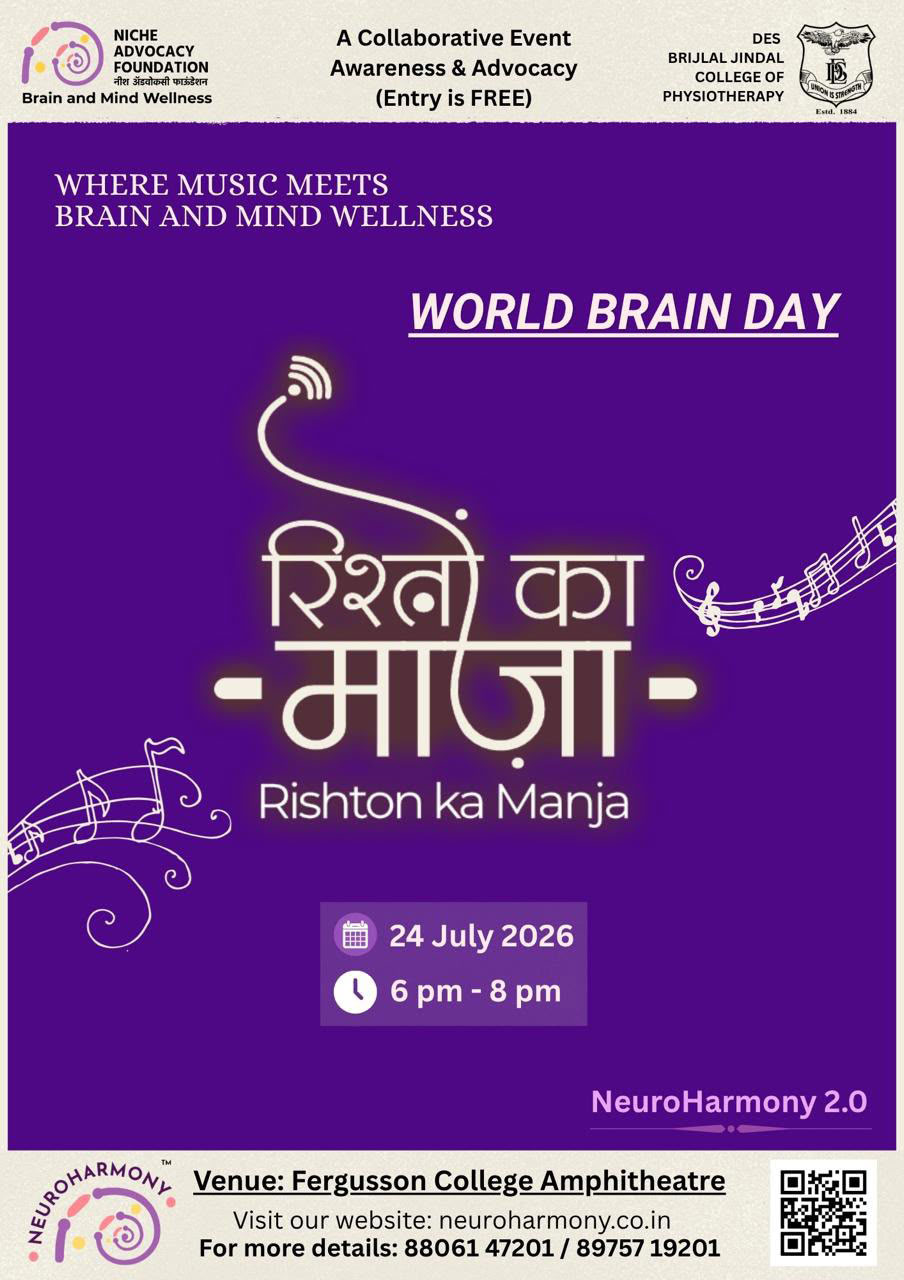
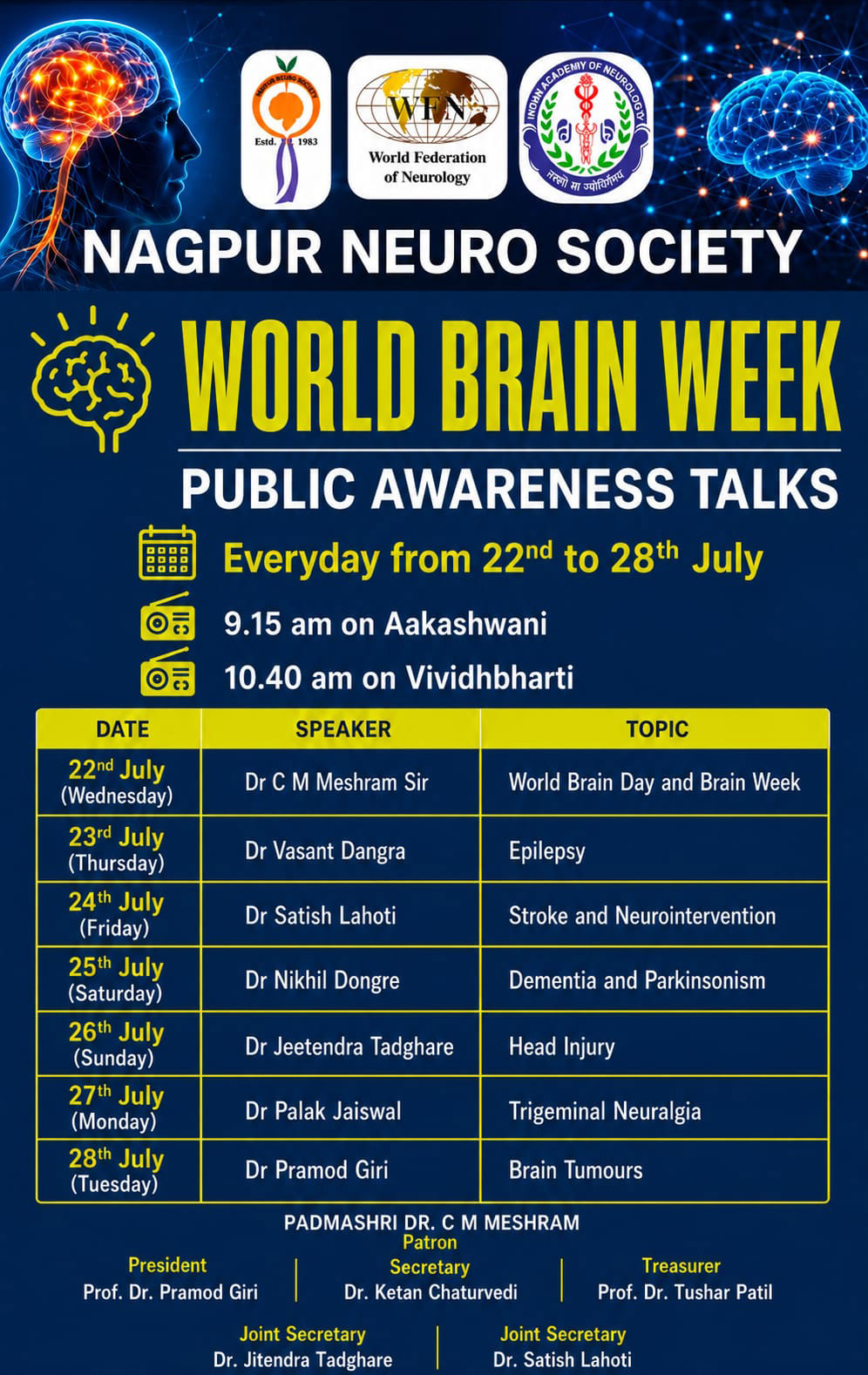
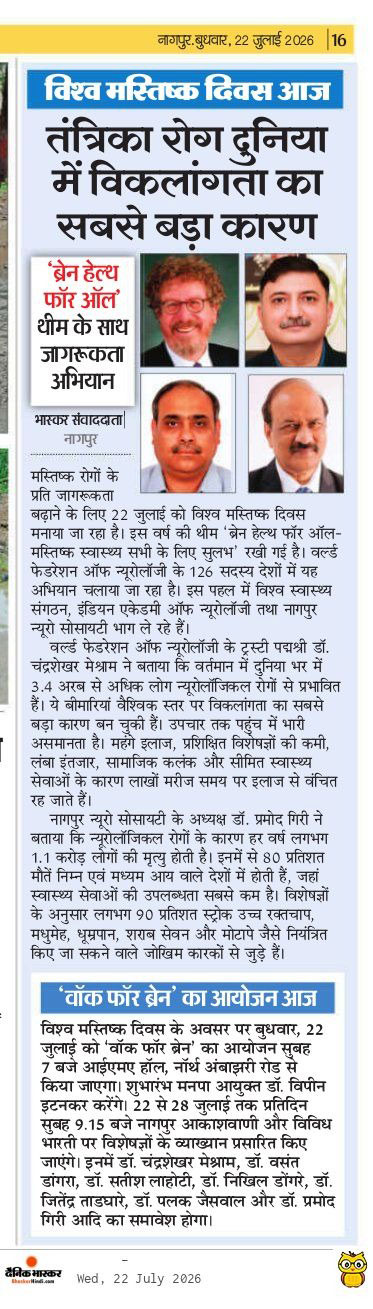
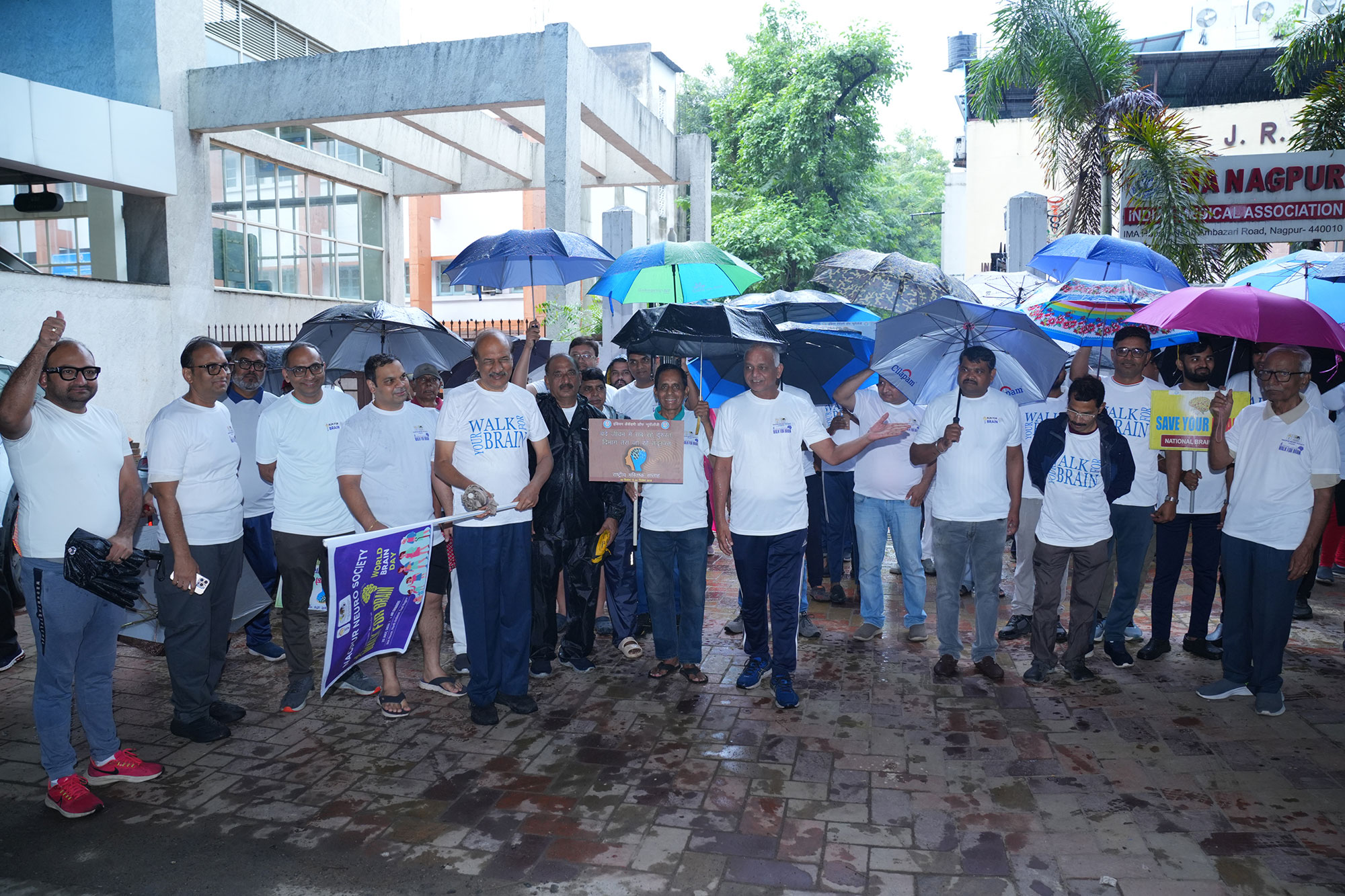
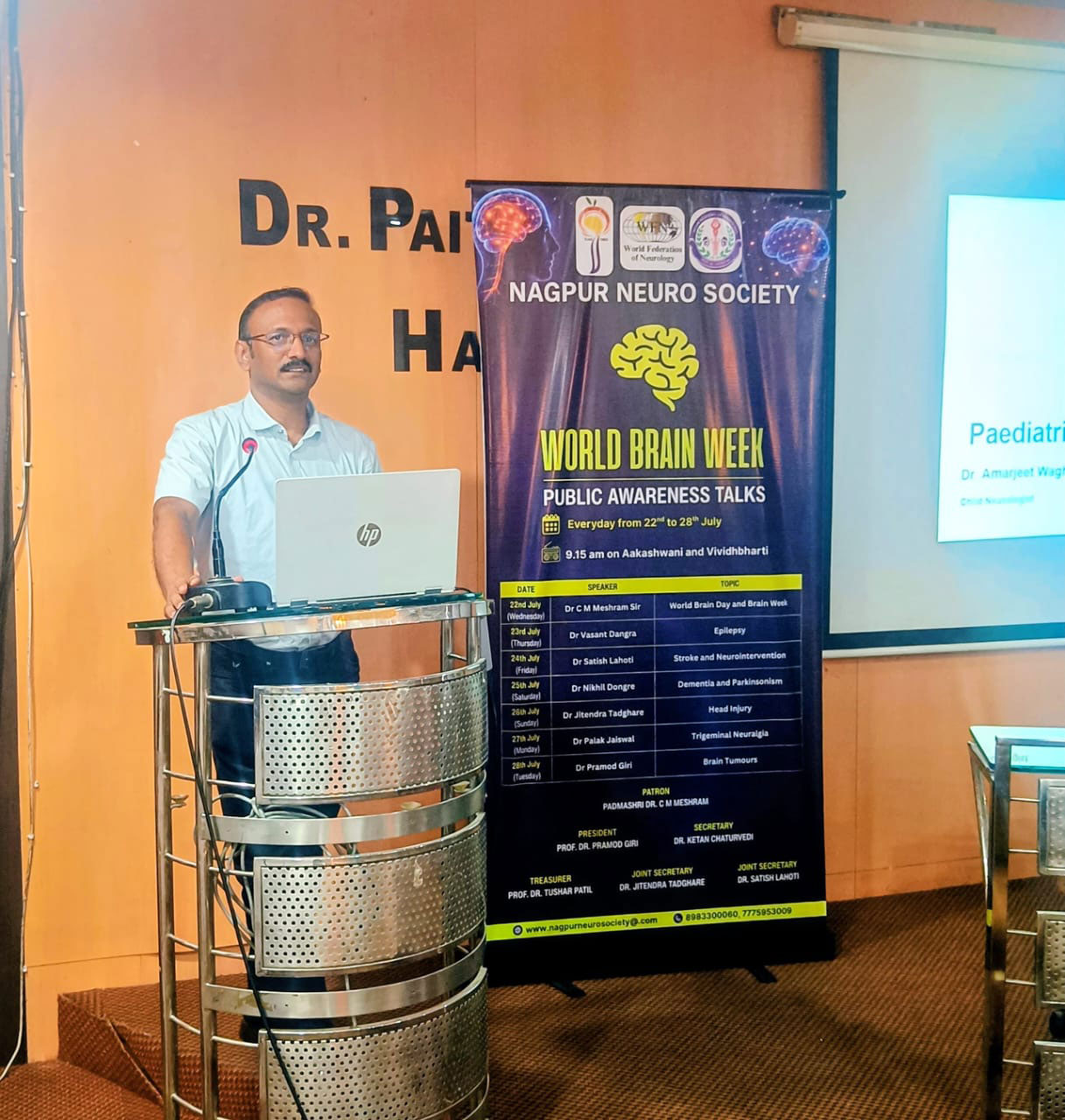
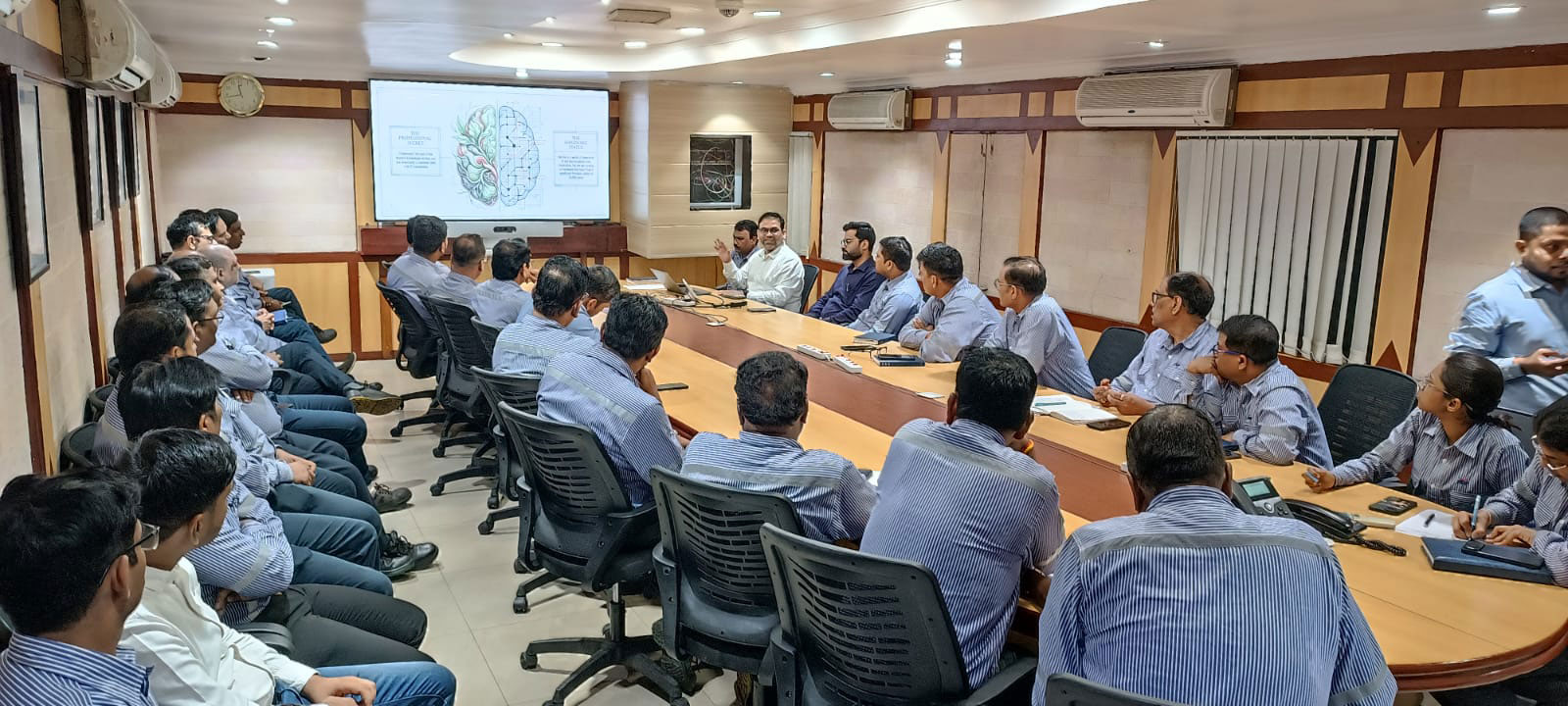
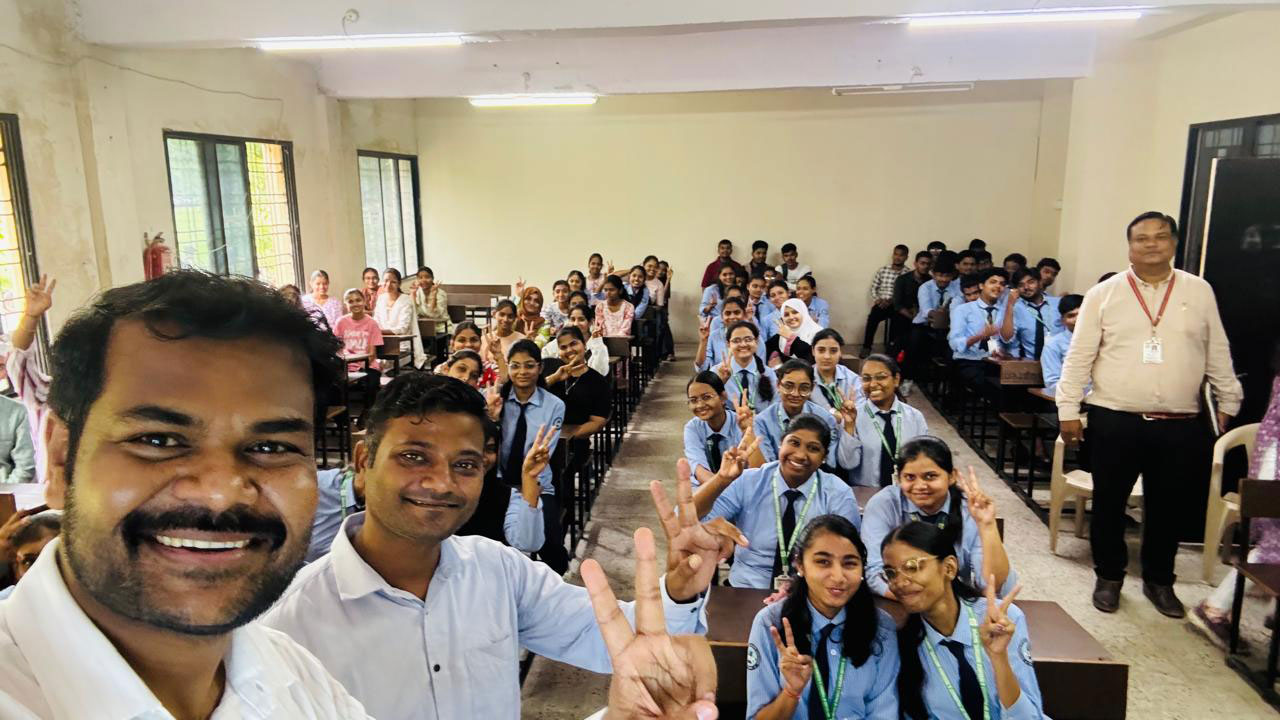
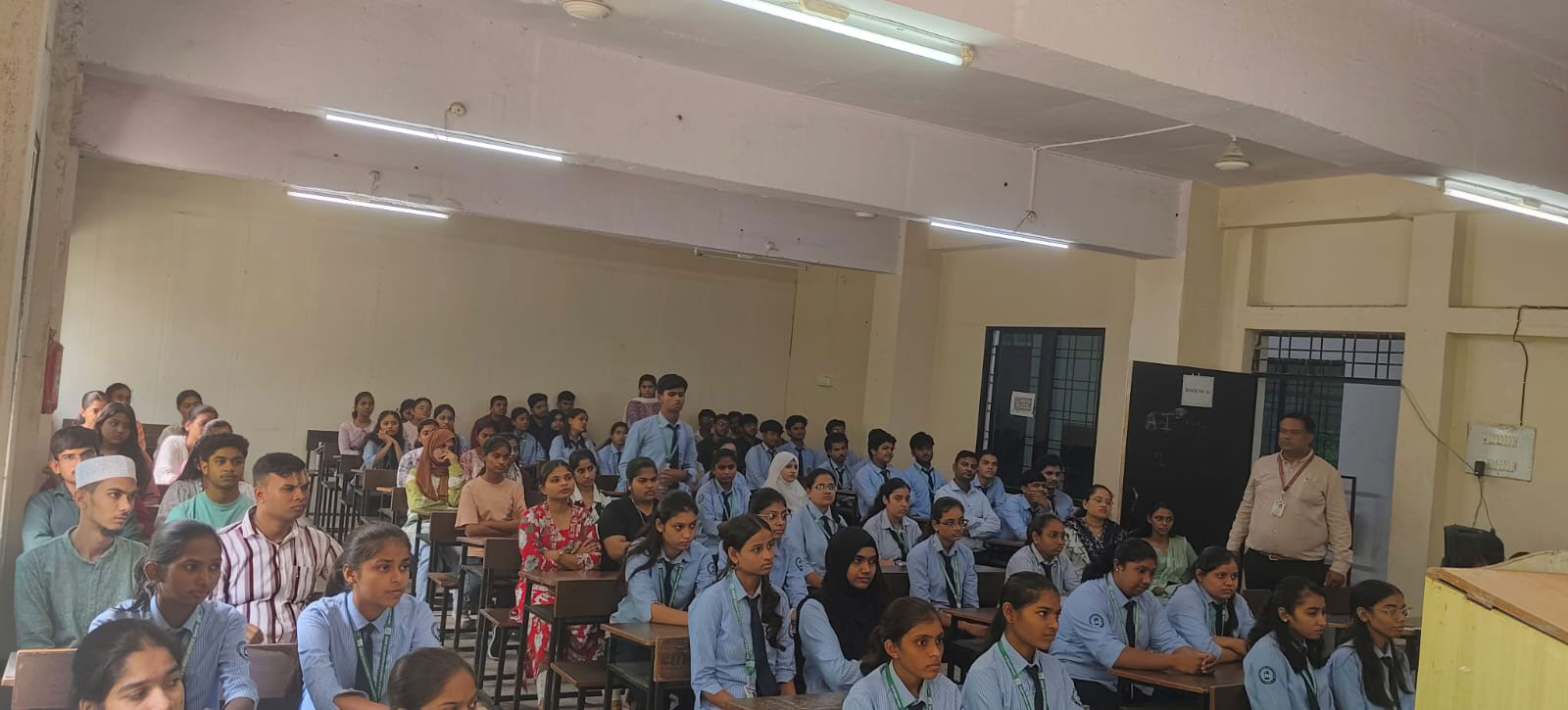
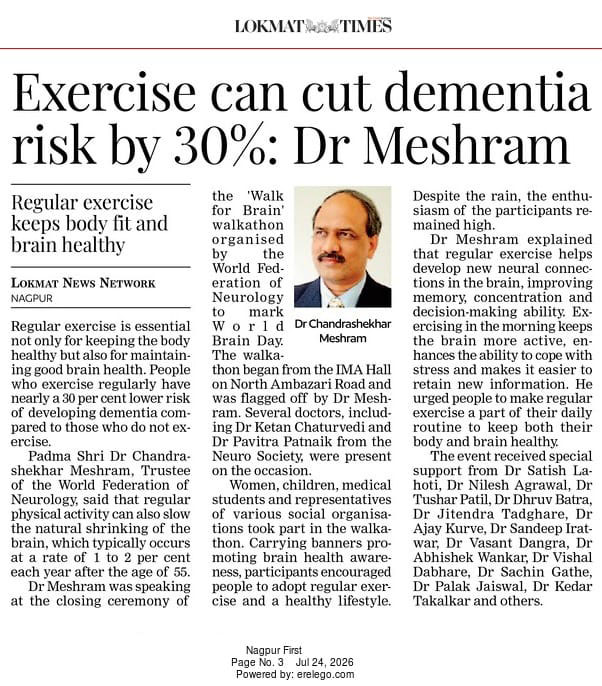
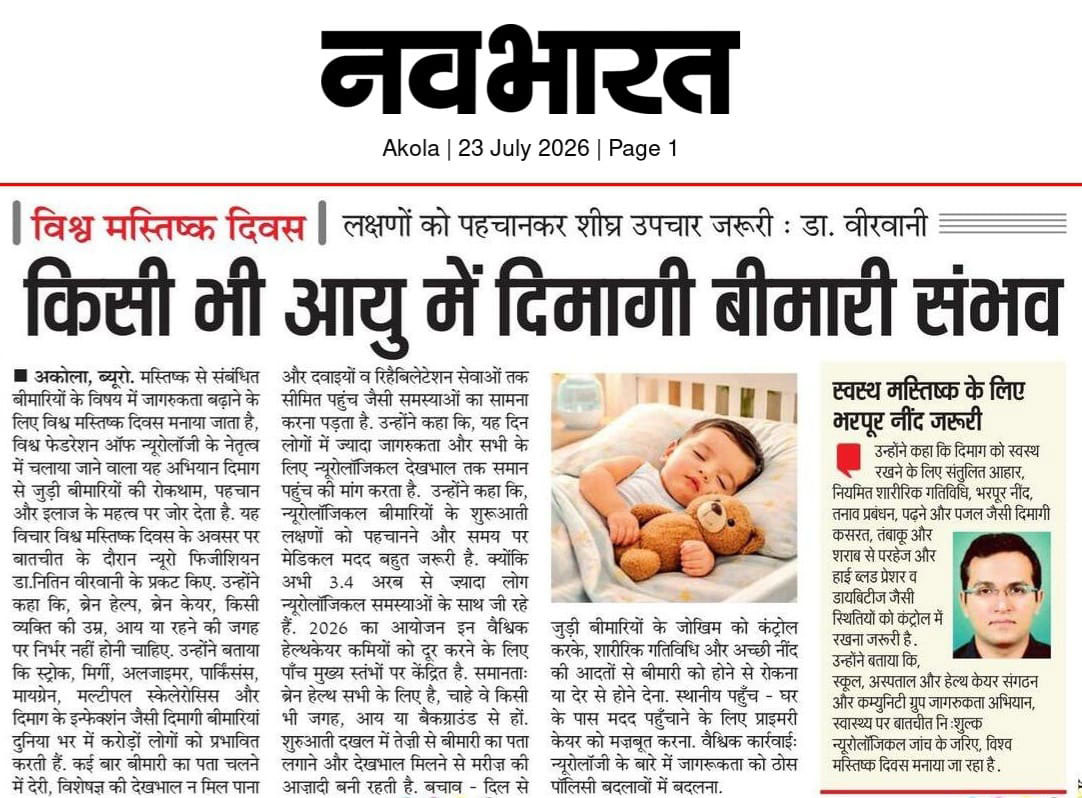
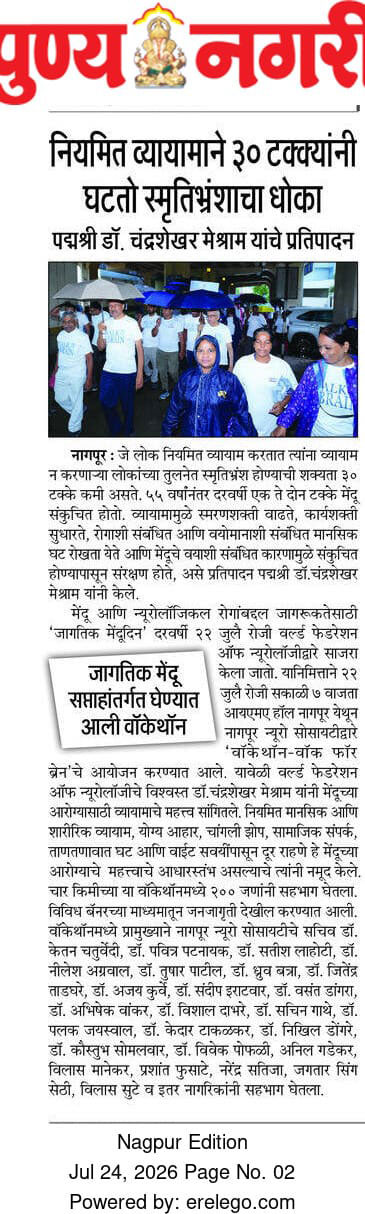
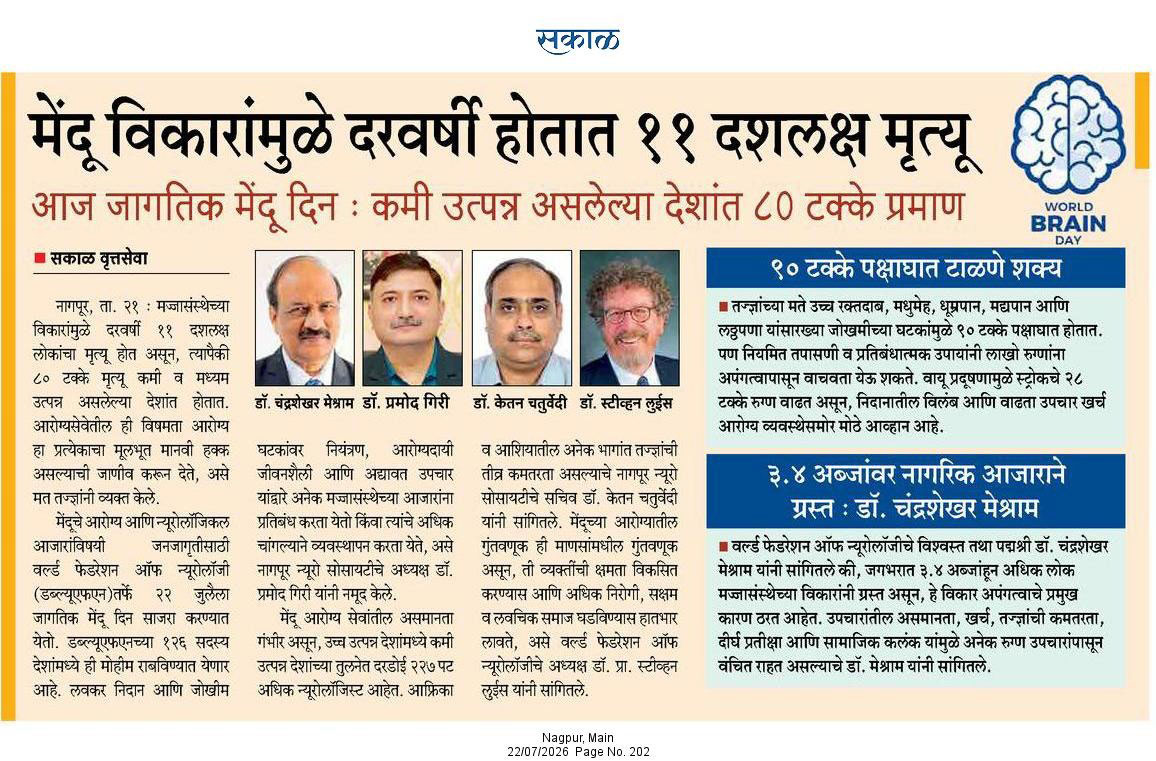
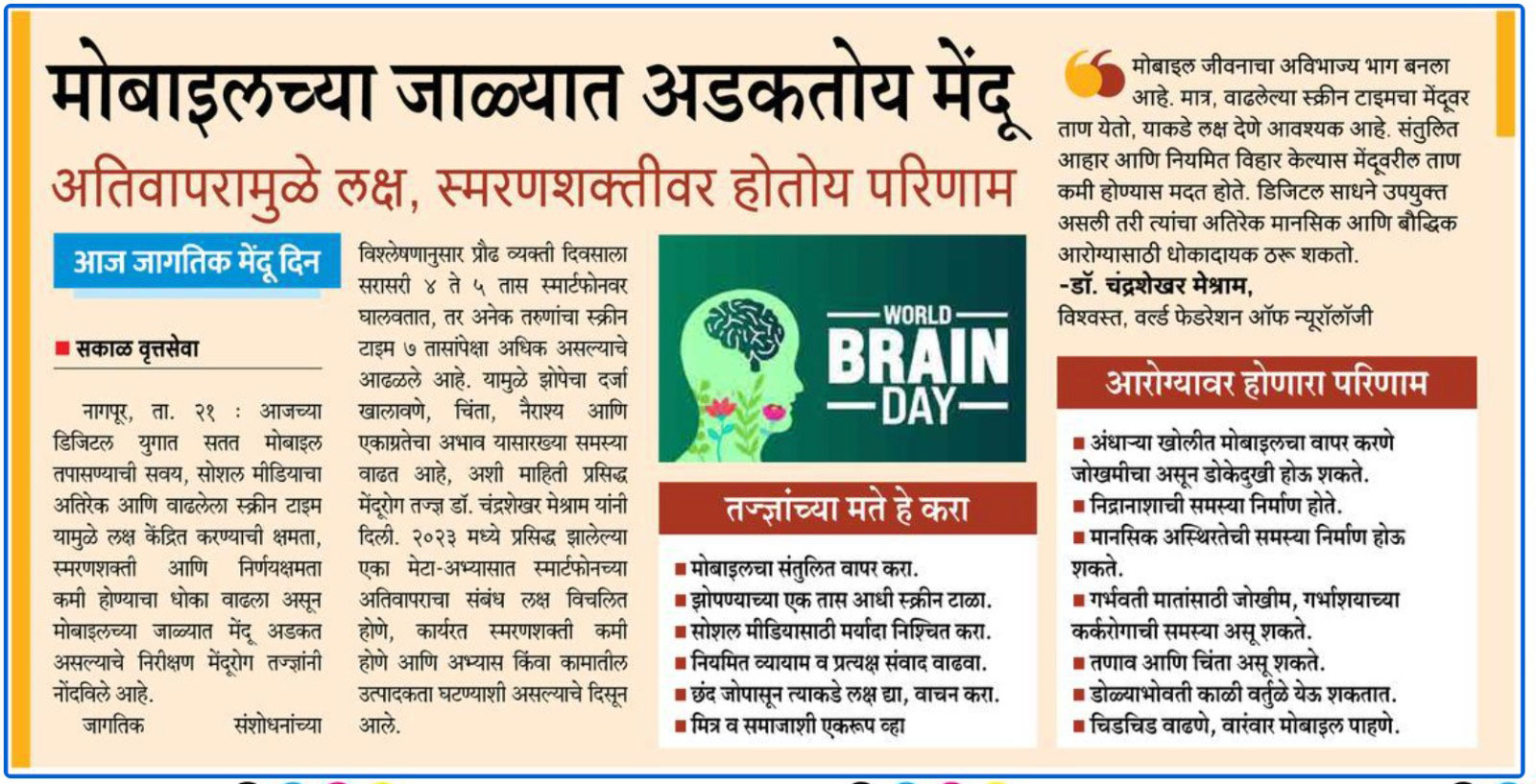
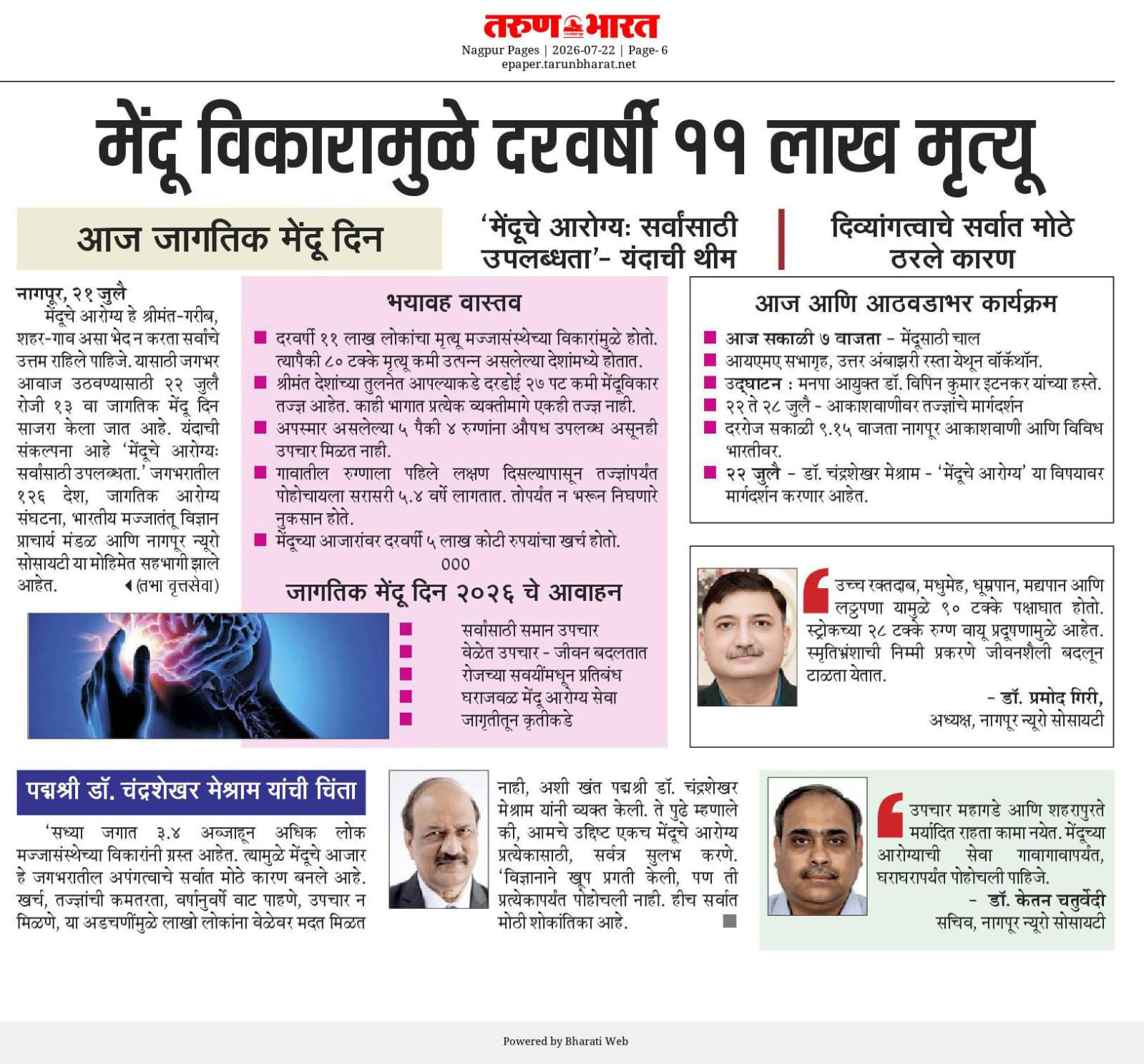
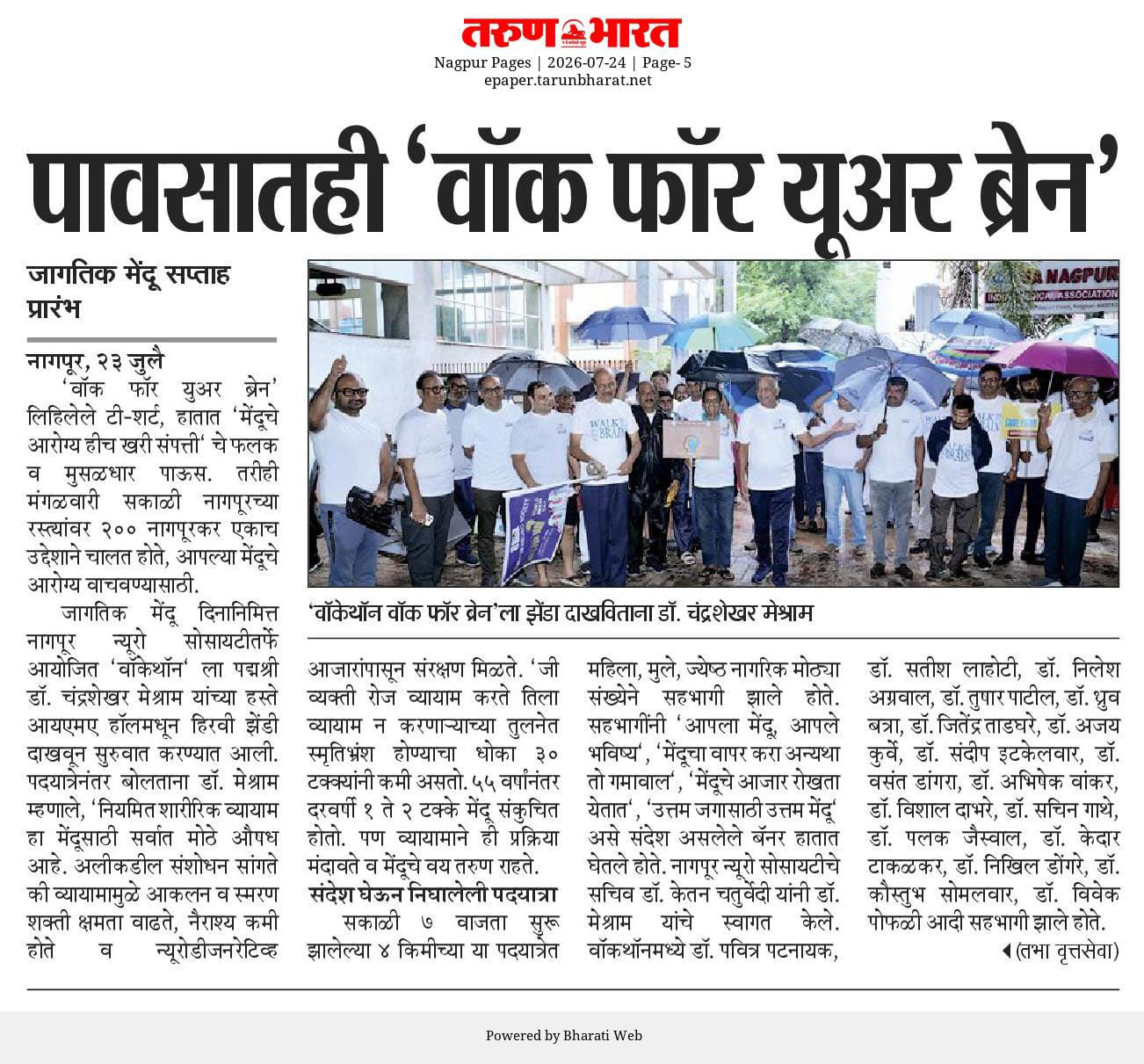
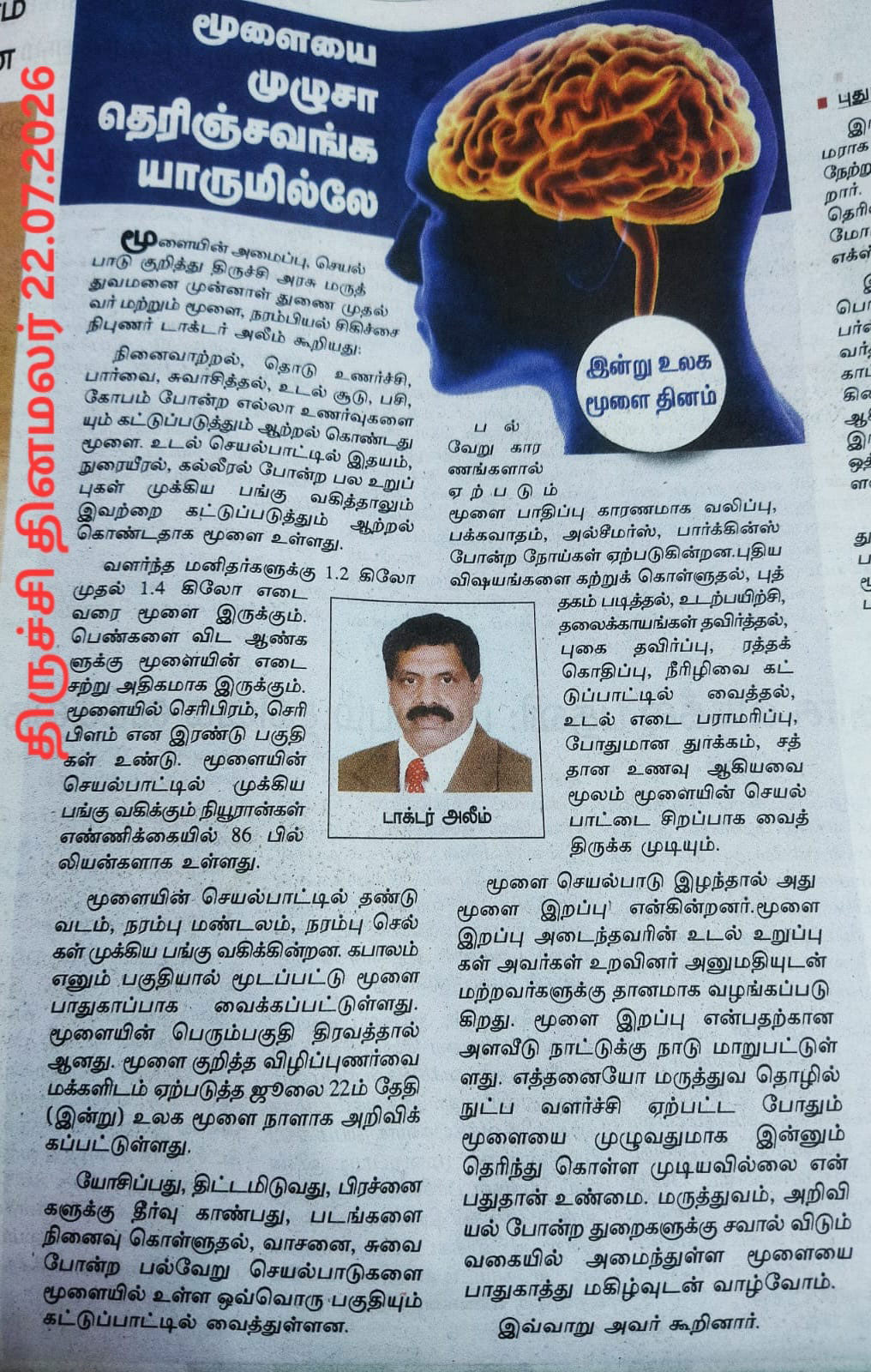
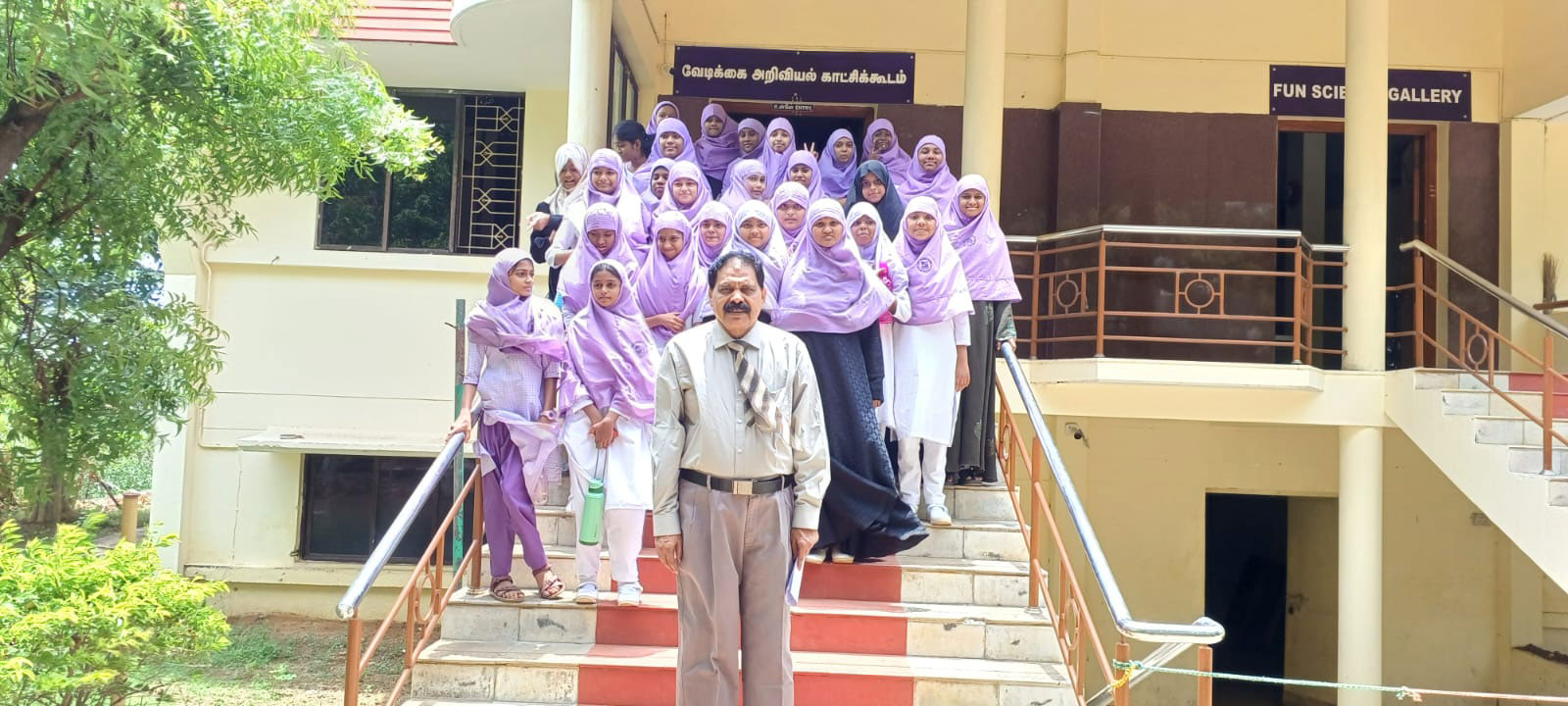
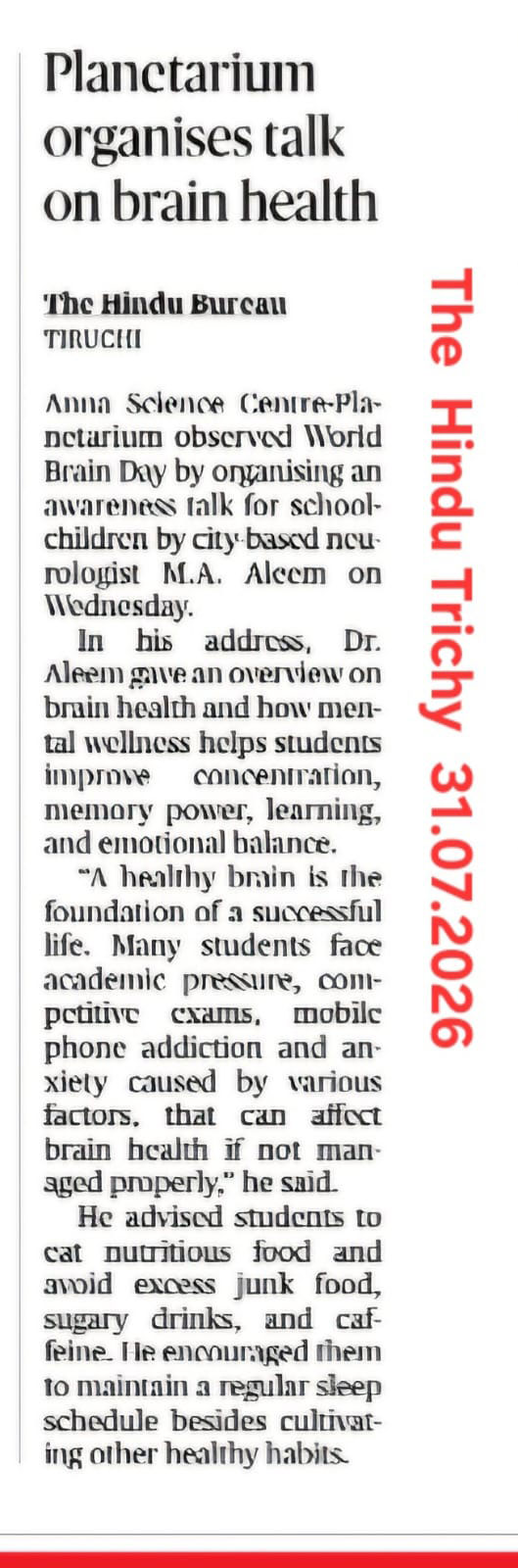
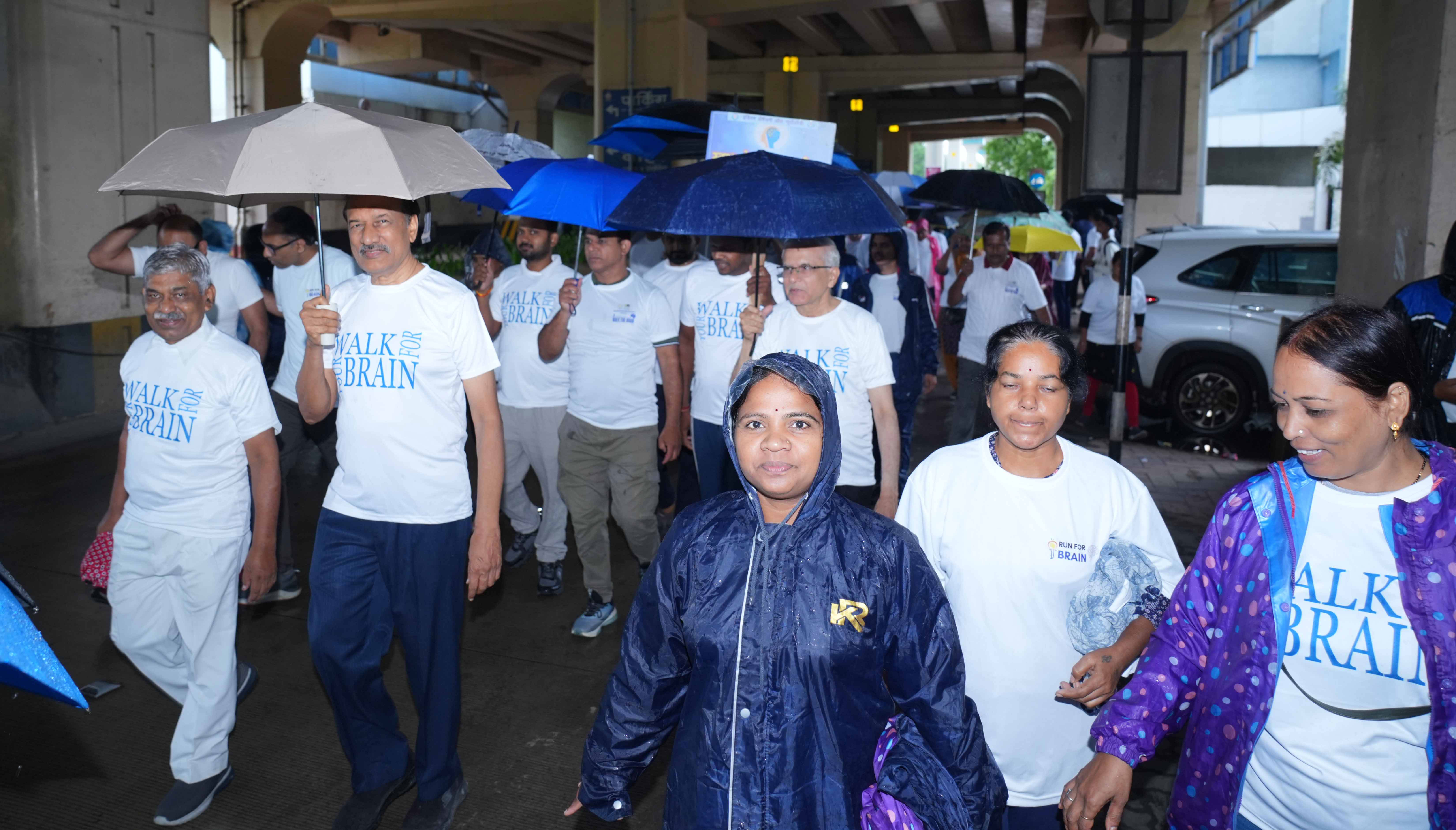
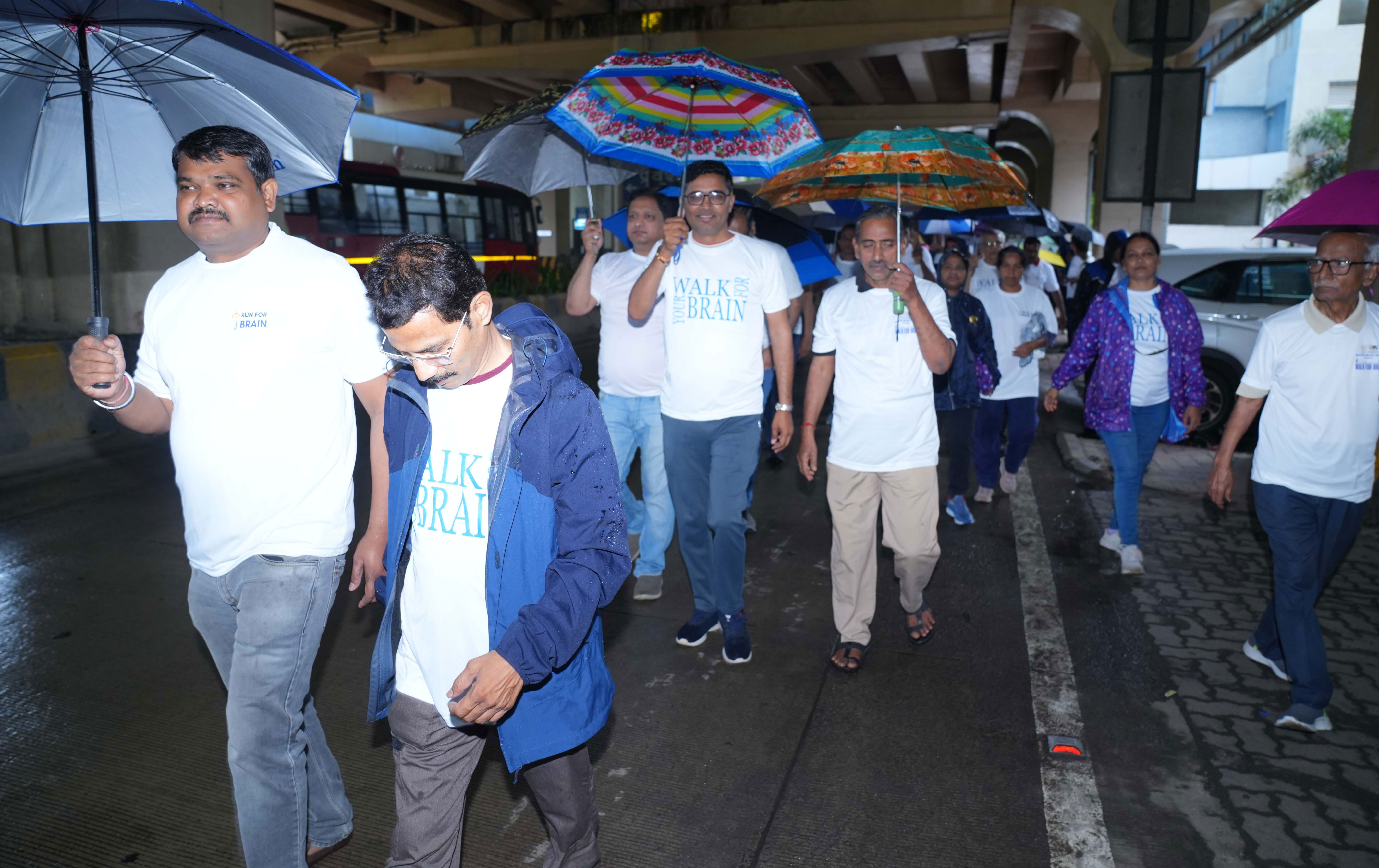
Regional activities saw strong participation across multiple cities. In Nagpur, Dr. Chandrashekhar Meshram led the Nagpur Neuro Society in hosting a 4 km Walkathon with over 200 participants, a seven-day All India Radio broadcast series, educational talks on AI digital overload and pediatric epilepsy, and newspaper articles. In Pune, Dr. Poornima Gauri organized the Rishton ka Manja event and the four-day NeuroHarmony 2.0 conference at Fergusson College to foster interdisciplinary neuro-healthcare collaboration. In Mumbai, Dr. Nirmal Surya led an awareness session and a webinar featuring World Federation of Neurology leadership Steve Lewis and Tissa Wijeratne. Additionally, Dr. M.A. Aleem in Trichy and Dr. Nitin Virwani in Akola raised local awareness through school talks and published newspaper articles.
Iran
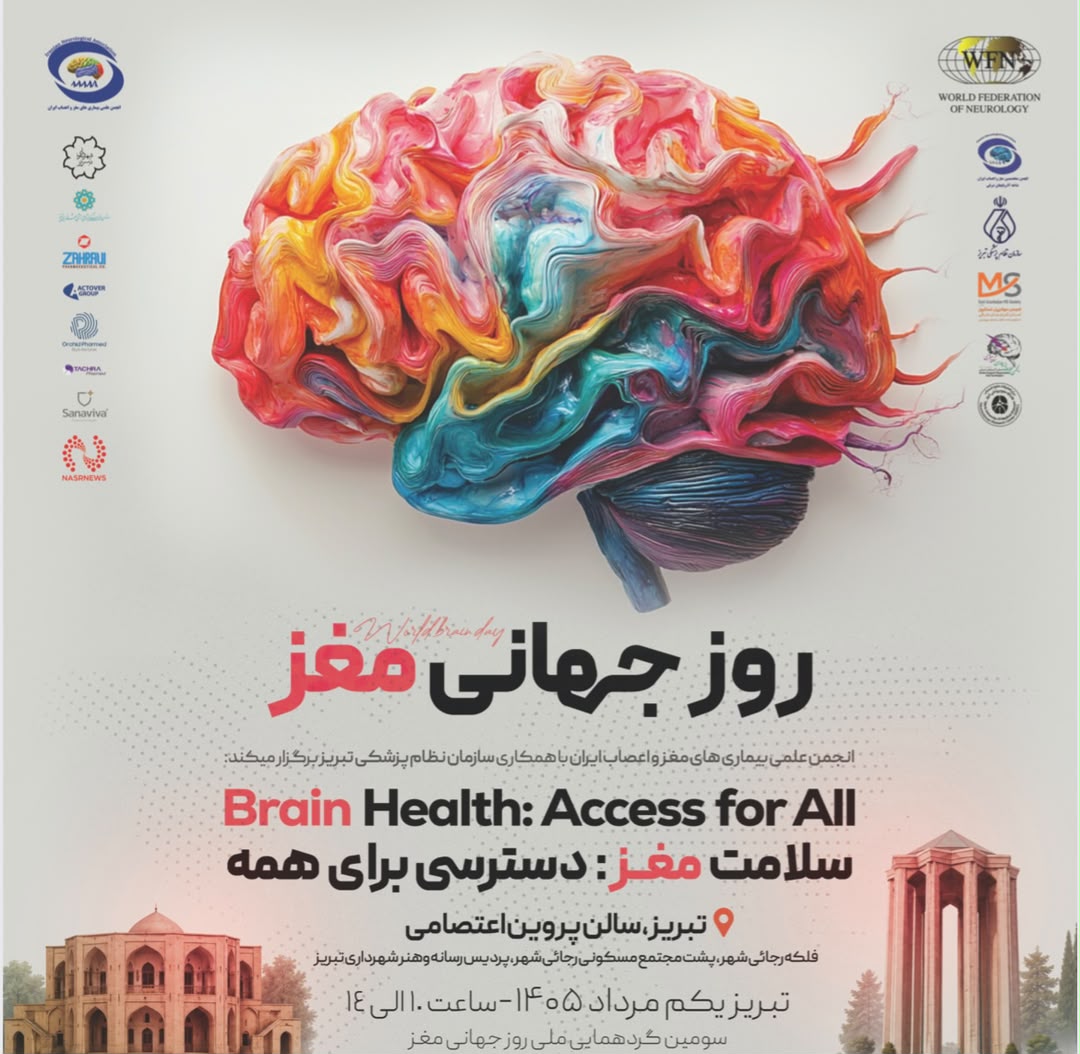
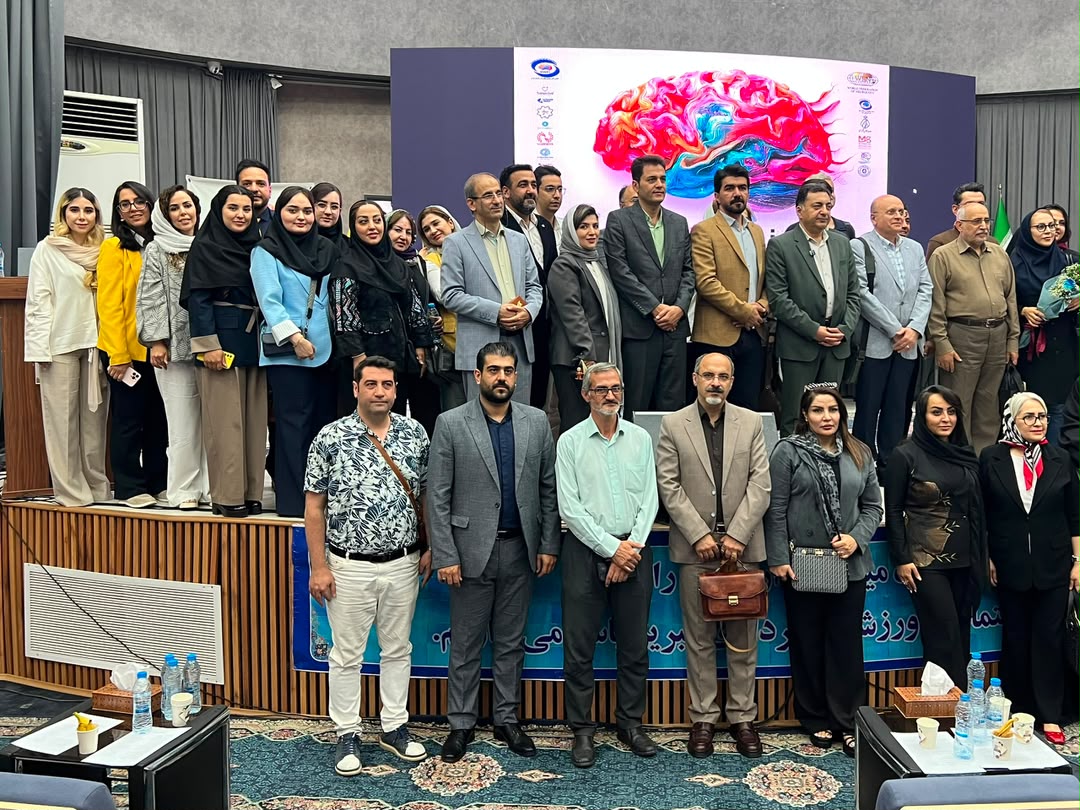
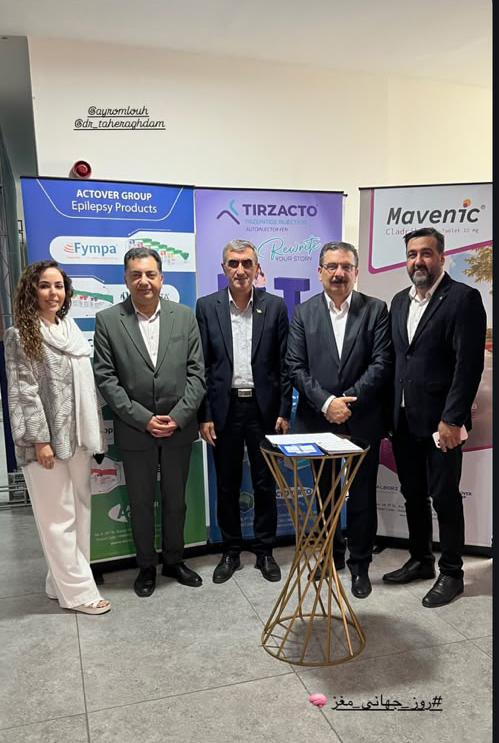
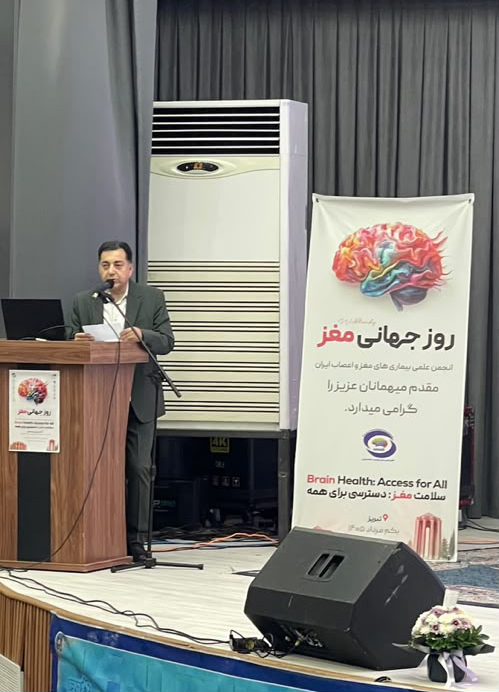
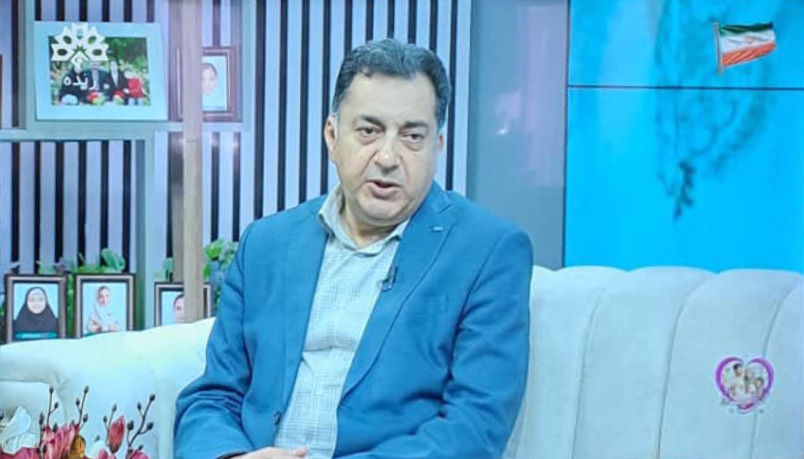
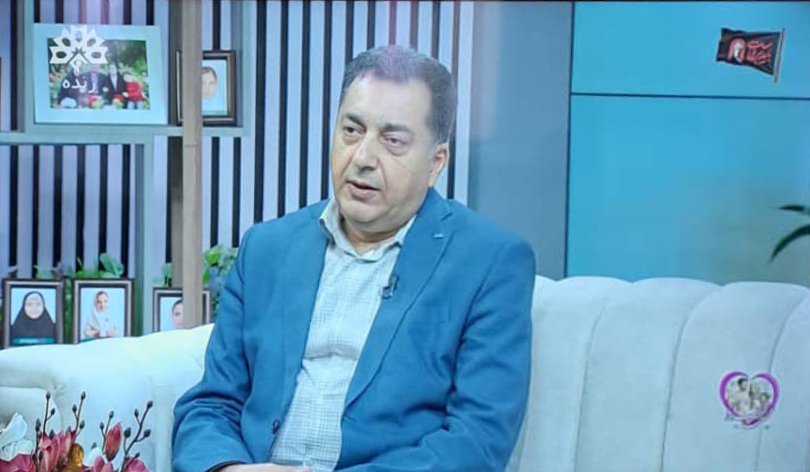
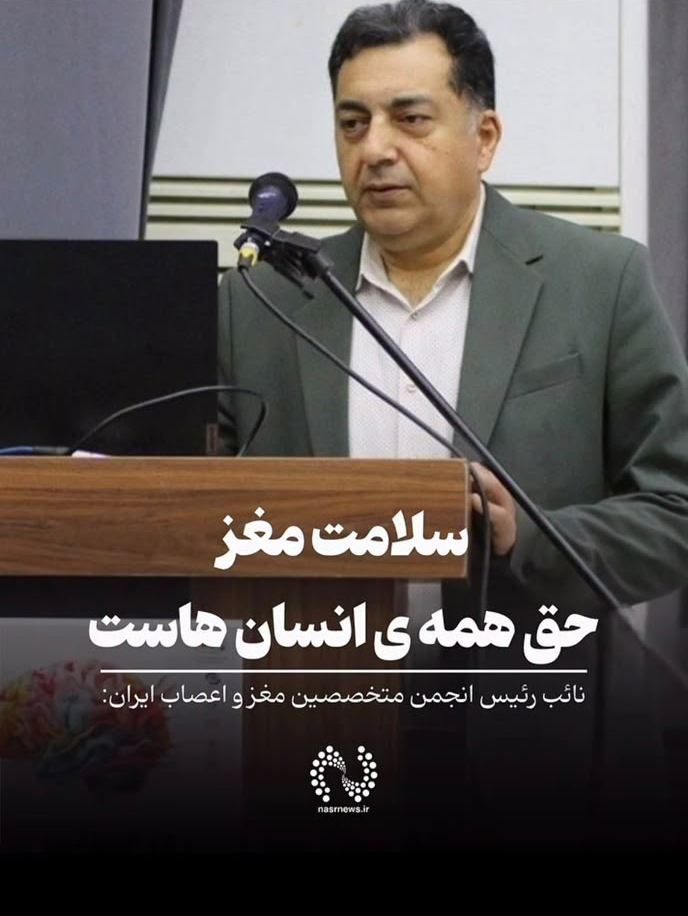
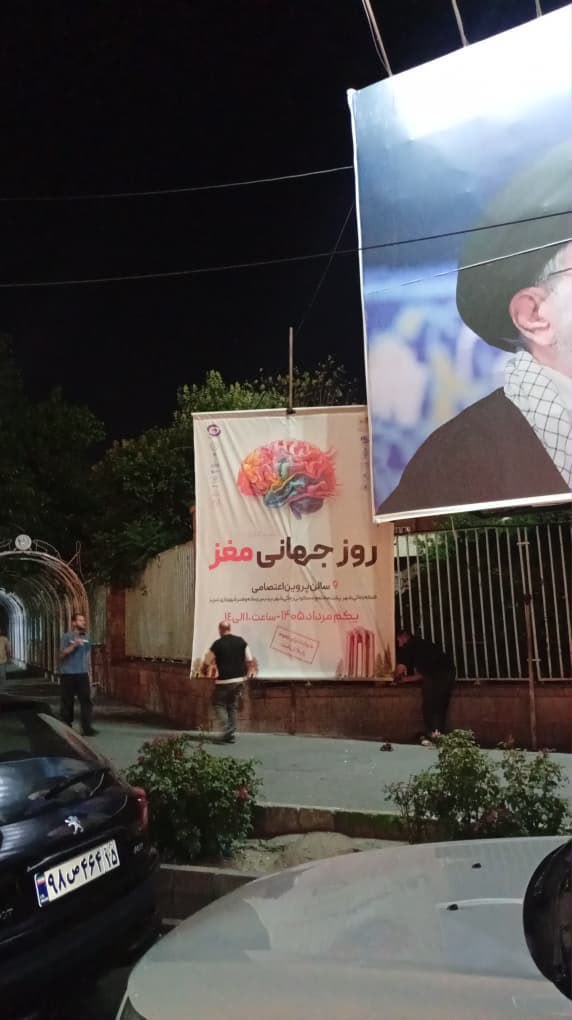
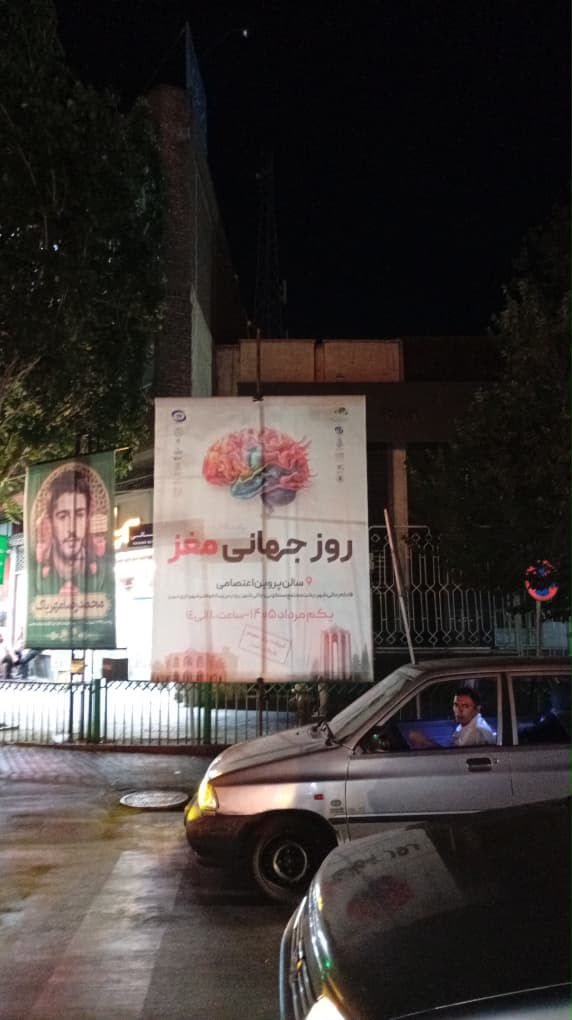
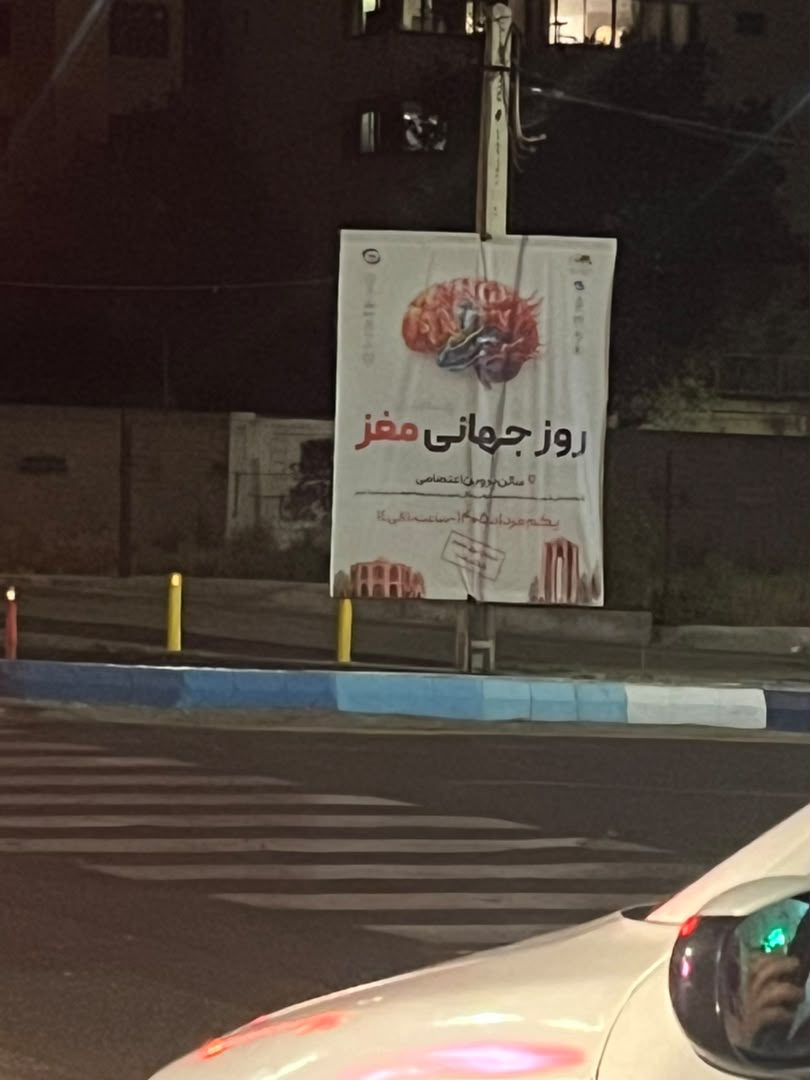
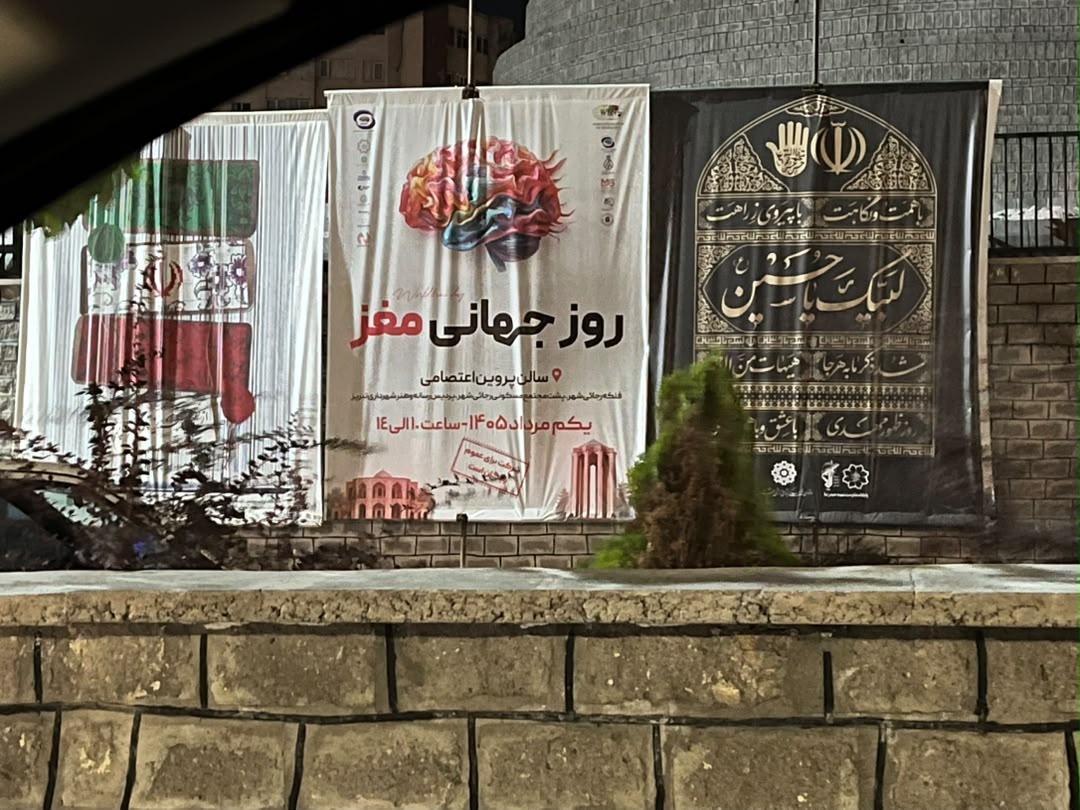
The Iranian Neurological Association convened an educational program in Tabriz, Iran, focused on brain health, neurological disorders, and disease prevention.
The event highlighted the critical need for equitable access to neurological care. Dr. Hormoz Ayromlou served as Executive Secretary for the initiative, which brought together medical professors, healthcare professionals, and organizational supporters to advance public health awareness and neurological education.
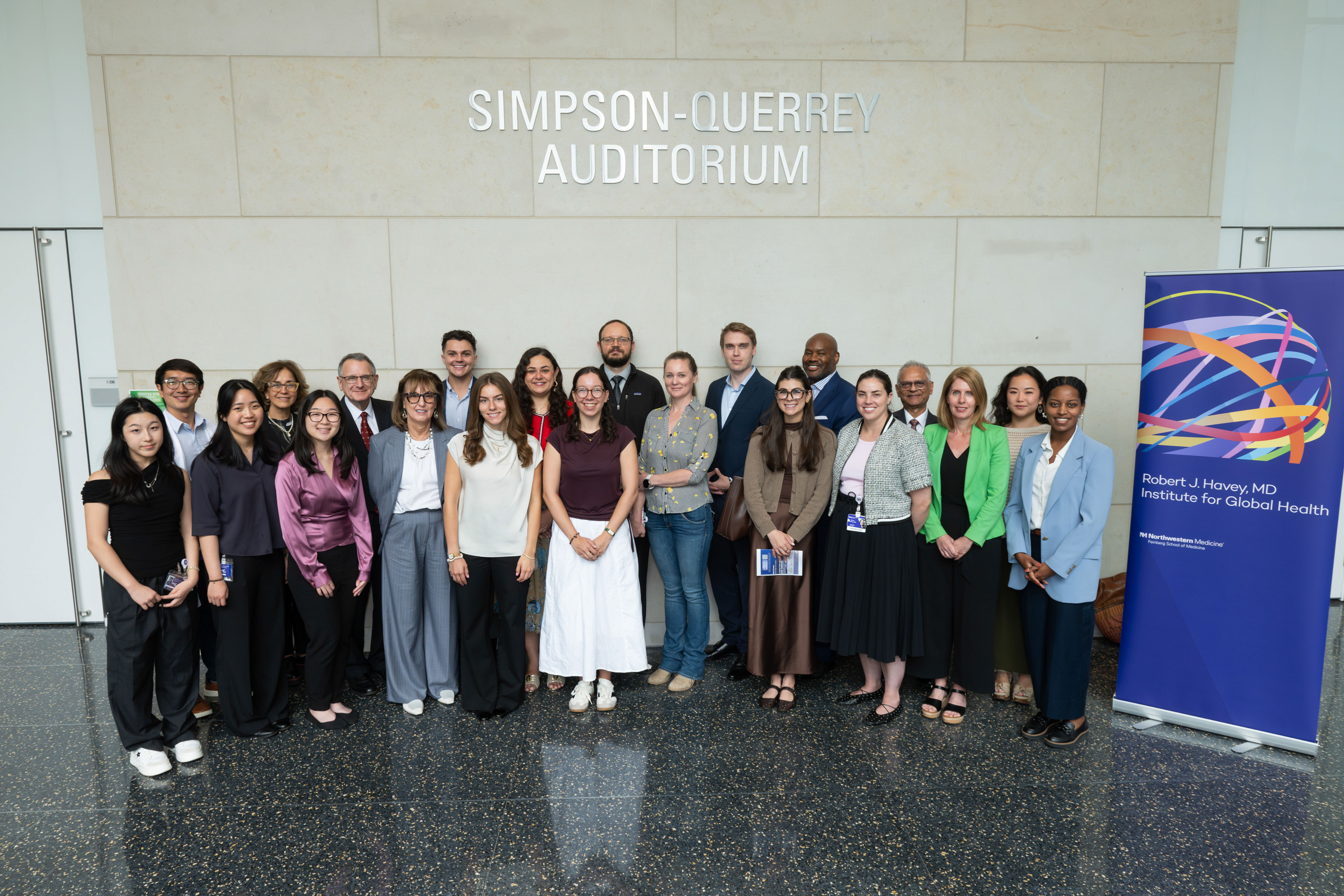
 Northwestern University in Chicago
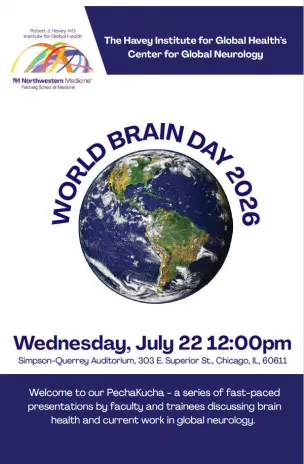
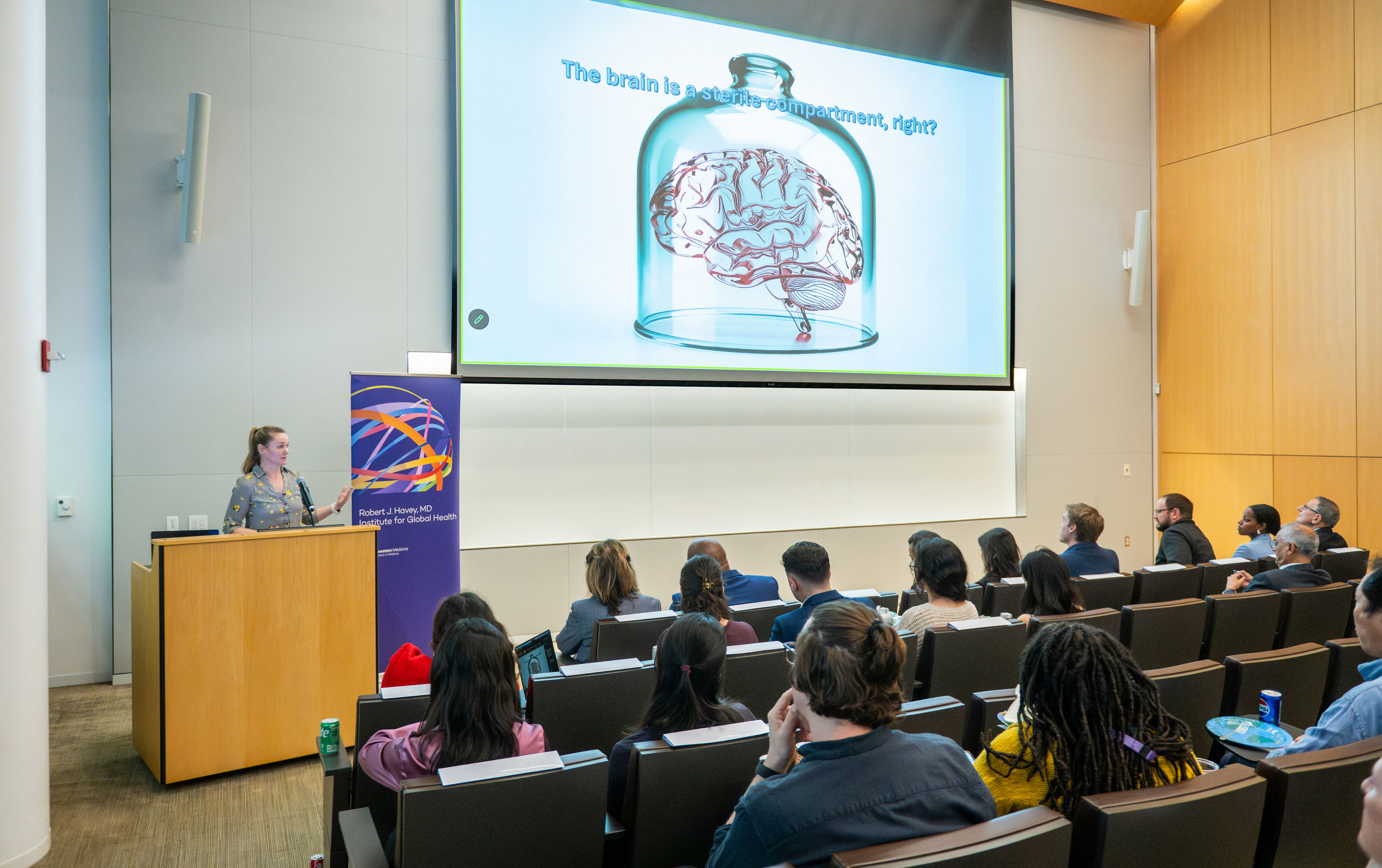
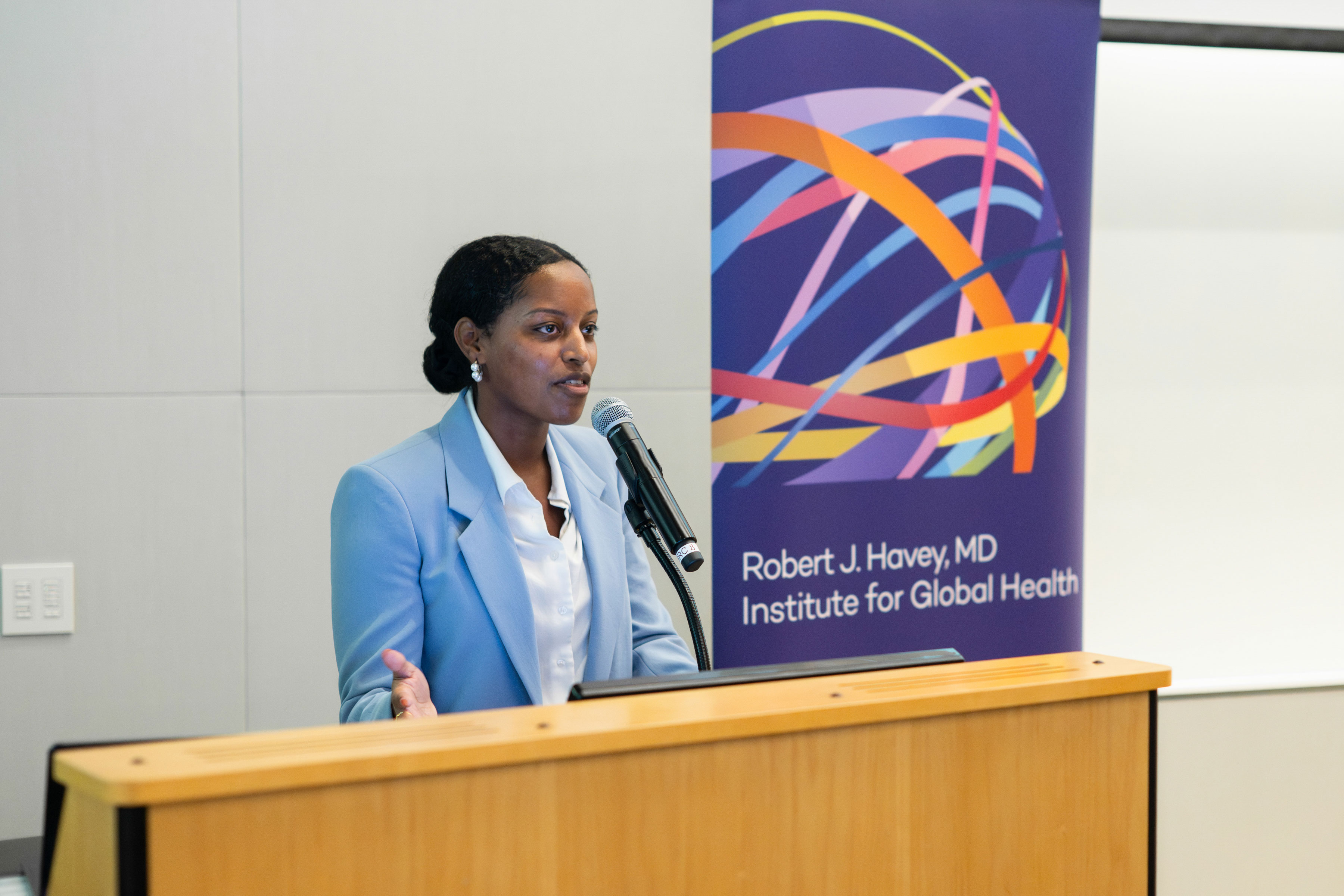
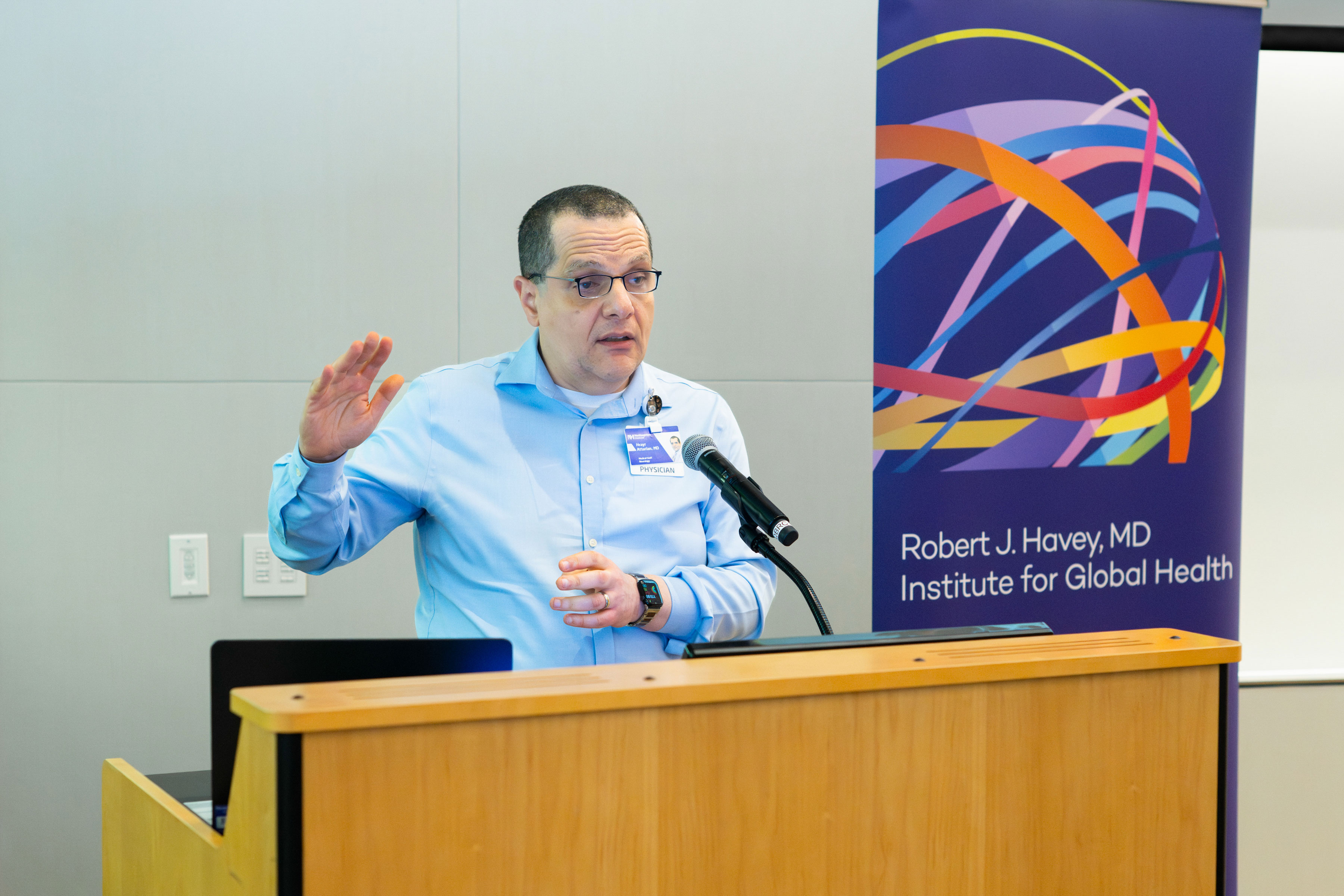
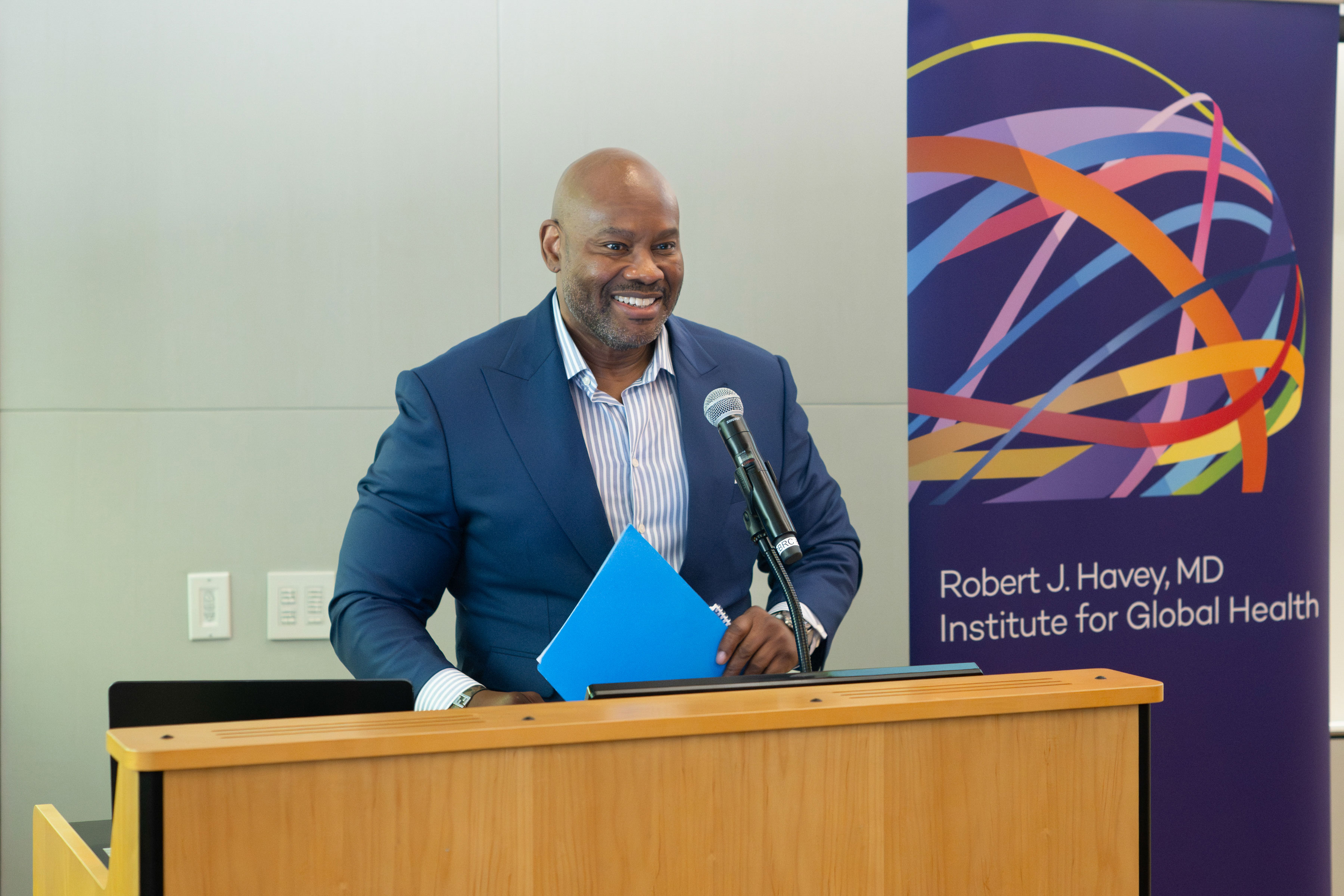
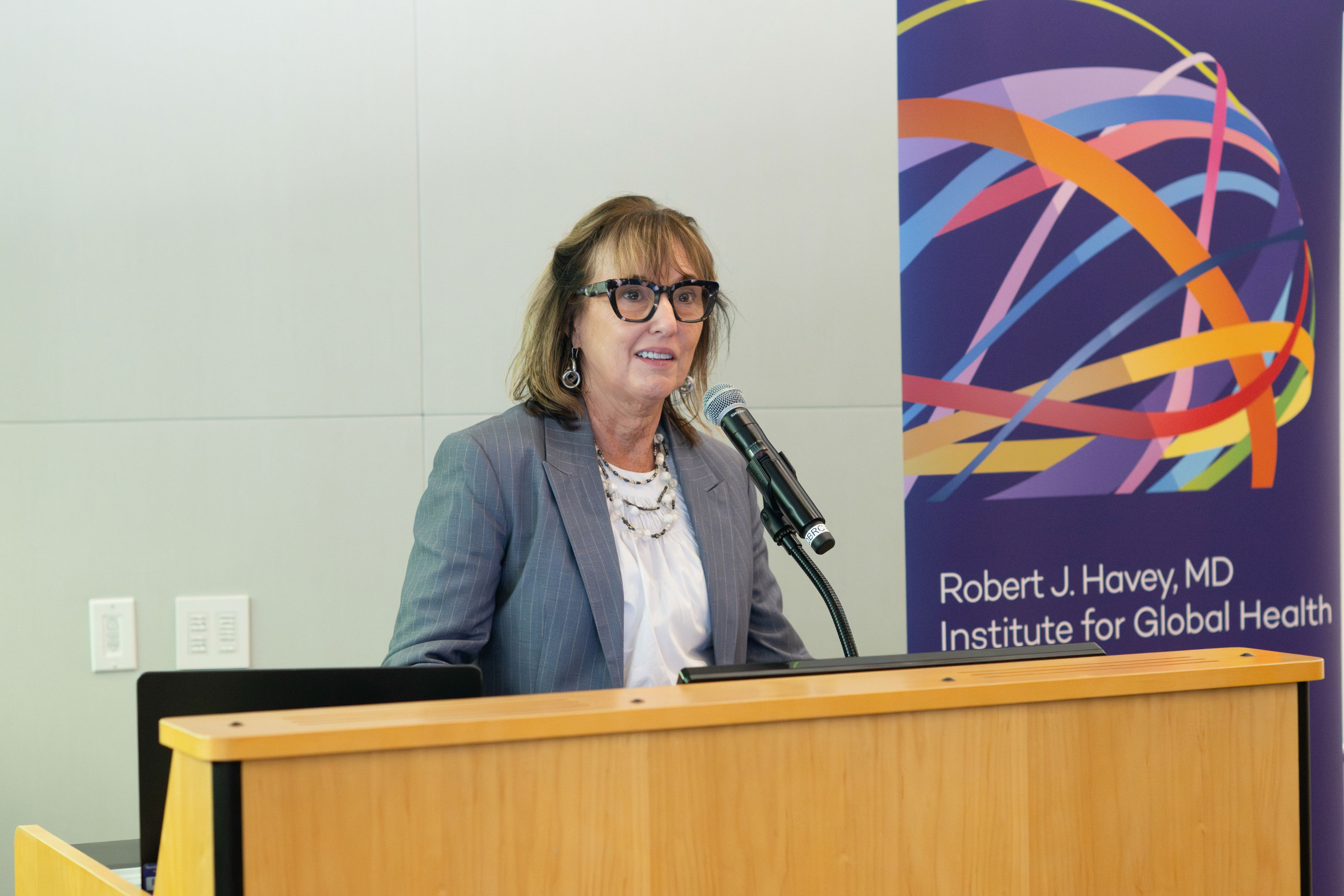
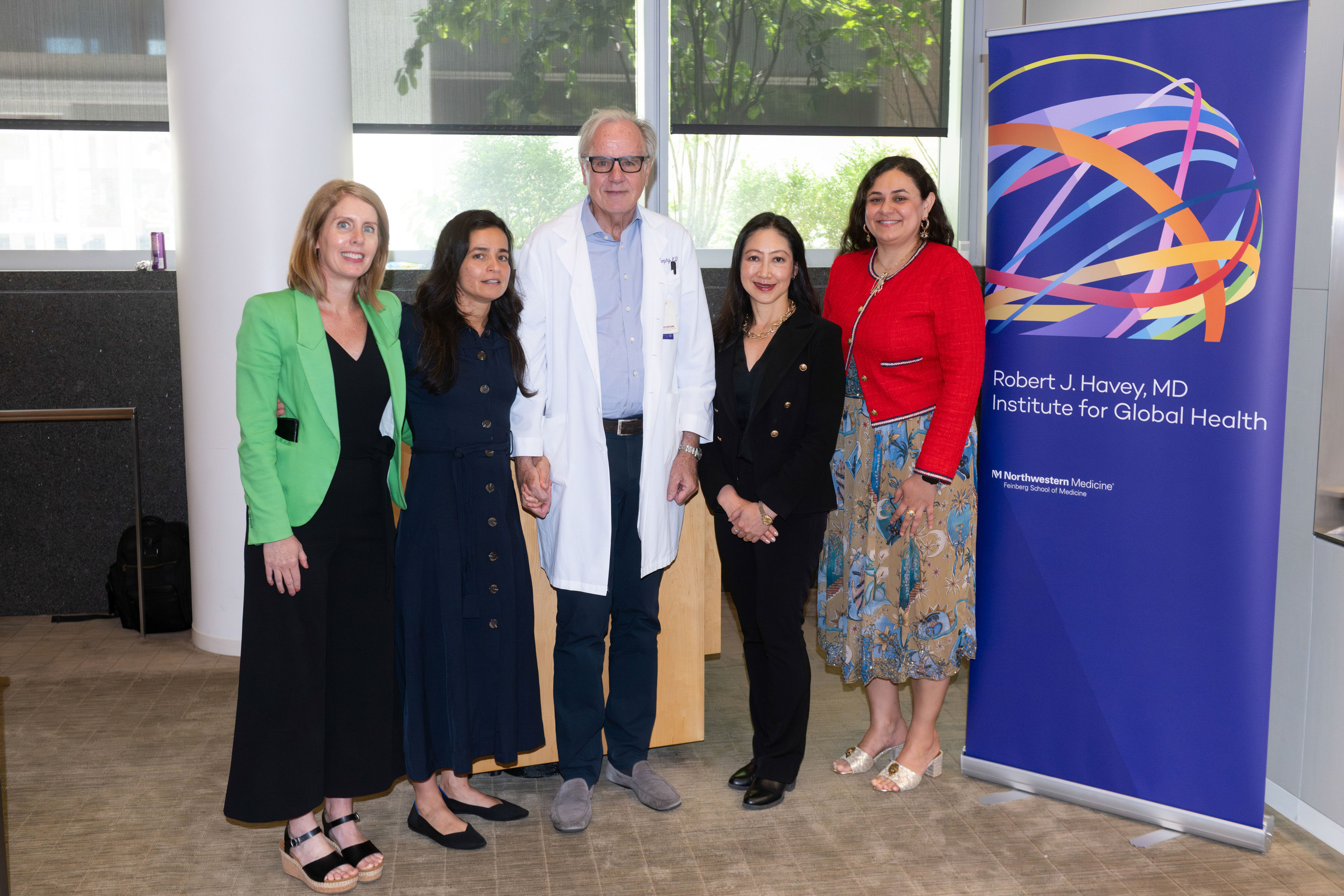
To mark World Brain Day 2026, Northwestern University held a presentation event to highlight its new Center for Global Neurology ⧉ at the Havey Institute for Global Health. The center hosted a PechaKucha—a fast-paced presentation format originating from Japan, where speakers present 20 slides for 20 seconds each.
Ten trainees and faculty members presented on various topics in global neurology and brain health, including:
- Philip Gorelick, MD, MPH - What is Brain Health?
- Naomi Ayele, MD - Community Neurology in Practice: Patient Outcomes and Resident Impact at Community Health Clinic
- Rafal Sobota, MD, PhD - Serum Markers of Severe Malaria
- Barbara Hanson, PhD - The Hidden Virome of the Healthy Human Brain
- Thor Linnet, MD - From Deep Dish Pizza to Rødgrød Med Fløde
- Sandi Lam, MD, MBA - Remote-Mentored Distributed Care for Multidisciplinary Surgical Treatment of Epilepsy in Uganda
- Roxanna Garcia, MD, MPH - Global Neurosurgery
- Hrayr Attarian, MD - Sleep Health Among Refugees
- Virgil Hammond III - Exercise is a Mindset: Building a Better Brain
- Yvonne Curran, MD - Improving Stroke Care in Northern Nigeria
Phillipines
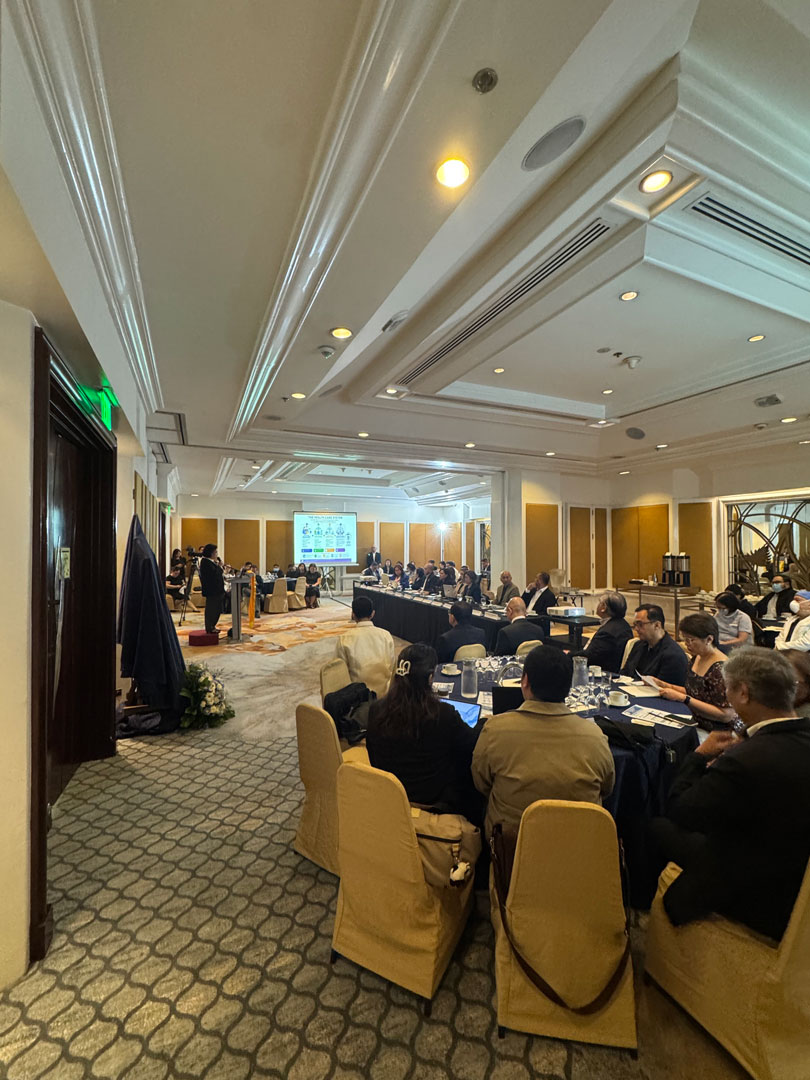
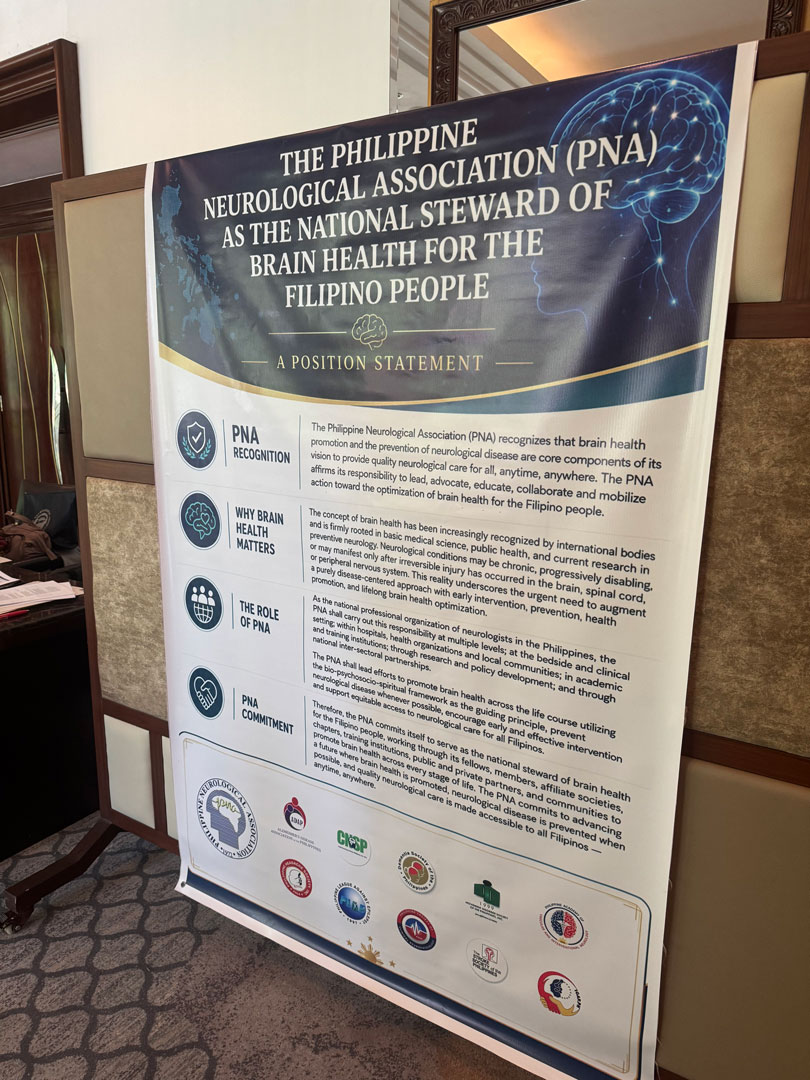
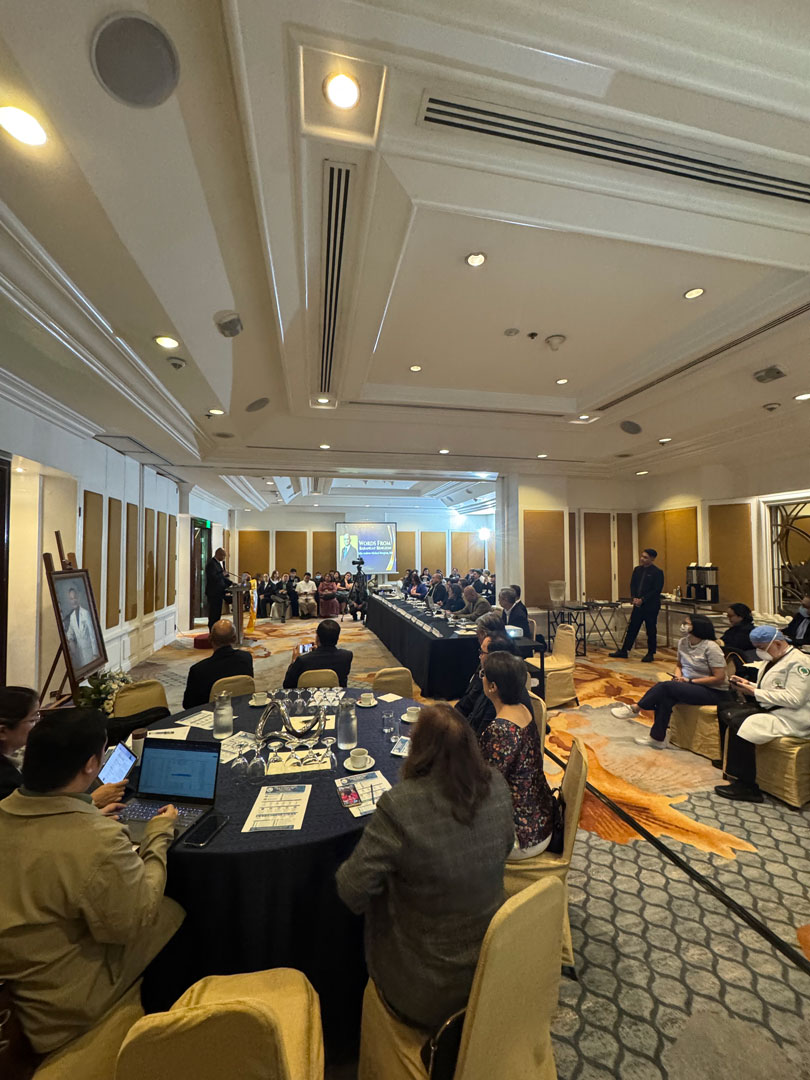
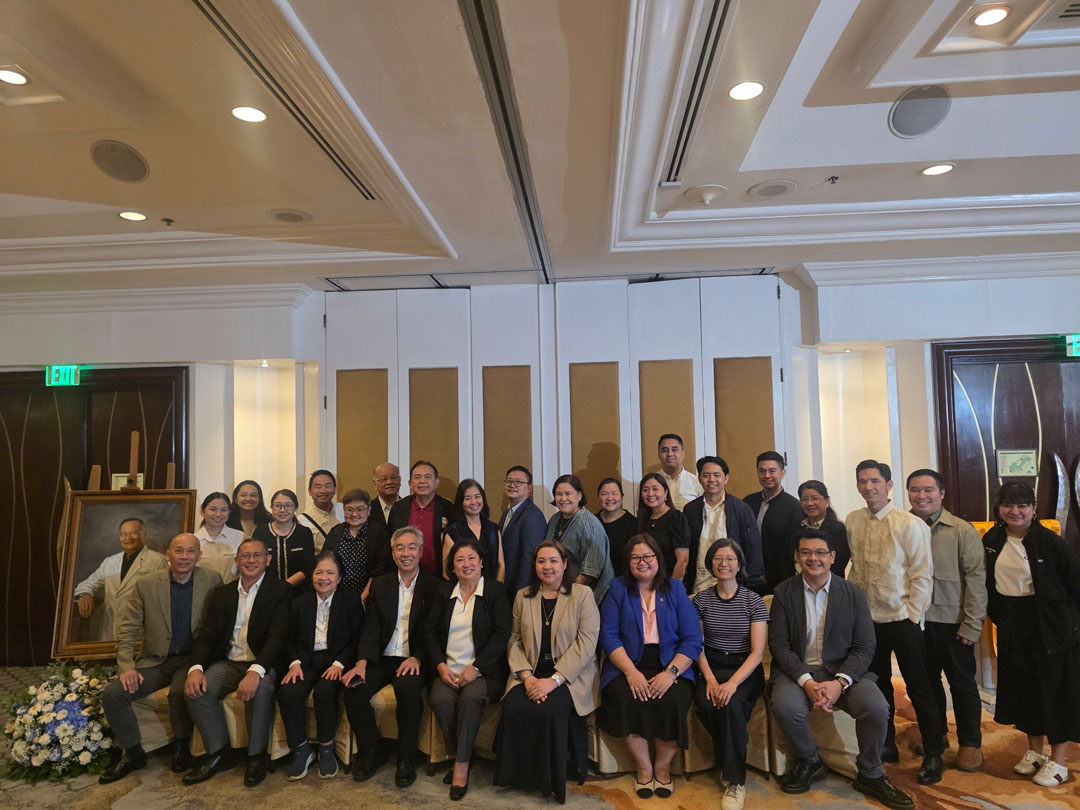
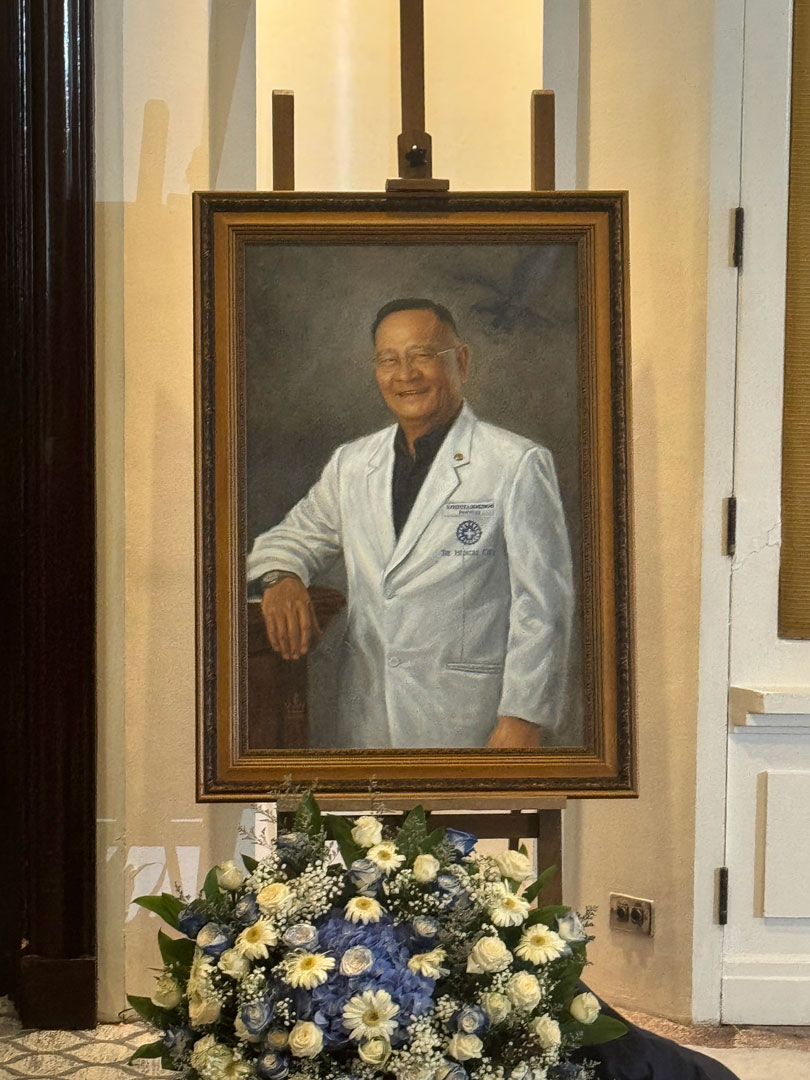
The Philippine Neurological Association (PNA) successfully hosted the 1st ALRAN (Advancing Leadership, Research, and Advocacy in Neurology) Forum on 22 July 2026 to mark World Brain Day.
This year’s forum focused on building strong partnerships to promote lifelong brain health, prevent neurological disorders, and ensure equitable access to care. Participants highlighted the need for a life-course approach to brain health and emphasized collaboration across government agencies, healthcare professionals, academic institutions, and civil society.
Additionally, the PNA presented its key initiatives in brain health promotion, disease prevention, research, education, advocacy, and policy development—all aligned with its official Position Statement on Brain Health.
The event brought together key stakeholders, including representatives from the Department of Health (DOH), the Philippine Health Insurance Corporation (PhilHealth), the Department of Science and Technology (DOST), and Ateneo de Manila University. Alongside neurologists, researchers, educators, and patient advocates, they engaged in strategic discussions to advance brain healthcare across the Philippines.
 WFN CONTACT
MEDIA CONTACT
Prof. Tissa Wijeratne OAM, MD, PhD
Chair, World Brain Day 2026
Prof. David Dodick MD
Co-Chair, World Brain Day 2026
Prof. Steven Lewis, MD
President, World Federation of Neurology




Web design by Tribal Systems, built on Zenario